How Do You Know If You Should Repair or Replace Your Heat Pump?
When your heat pump breaks down, the first question usually isn’t what went wrong. It’s whether the system deserves another repair or whether the money should go toward something new.
The answer depends on a few clear factors: the system’s age, the type of failure, how often it breaks, and what it costs to run.
This guide walks through each one so you can make the call with confidence, whether you face a repair quote today or just want to plan ahead.
Should You Repair or Replace Your Heat Pump?
Replacement usually makes more sense when your heat pump shows several of these signs:
- It’s more than 10 to 15 years old
- The compressor failed outside warranty
- Repairs keep coming, season after season
- It runs on R-22 refrigerant
- Energy bills climb without explanation
- Some rooms never feel comfortable
One sign alone rarely decides it. Two or three together point toward replacement.
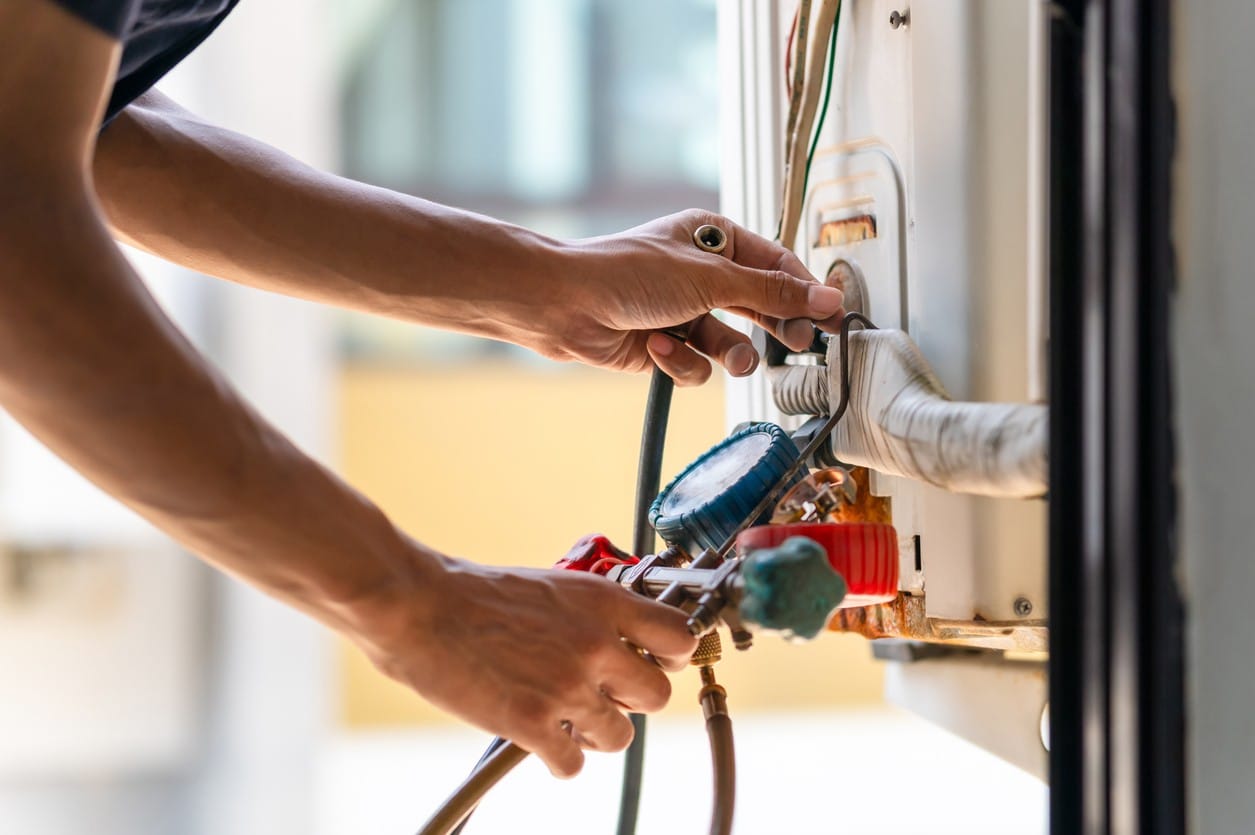
When Does Repairing Your Heat Pump Make Sense?
Many heat pump problems cost far less to fix than most homeowners fear.
1. The System Is Under 10 Years Old
A younger heat pump has plenty of life left, and a repair protects that investment.
2. The Problem Is Isolated
Failed capacitors, contactors, fan motors, and sensors cause many breakdowns. These parts cost relatively little and restore normal operation quickly.
3. Parts Remain Under Warranty
Manufacturer warranties typically cover key components for five to ten years, which cuts your repair cost.
4. The Math Works
Many HVAC pros use a simple rule of thumb: multiply the system’s age by the repair cost. If the result lands under $5,000, repair usually wins.
5. Comfort Stays Steady
If the system heats and cools evenly and bills look normal, a single repair rarely justifies replacing it.
When Is Replacing Your Heat Pump the Better Choice?
Some failures tip the decision the other way.
1. The System Passes 10 to 15 Years
Major repairs become more common after a decade, and each one buys less time.
2. The Compressor Failed
The compressor drives the whole system. Replacing one on an older, out-of-warranty unit often costs a large share of a new system.
3. Repairs Keep Stacking Up
Multiple service calls in a year or two signal a system wearing out, not a string of bad luck.
4. It Uses R-22 Refrigerant
U.S. production of R-22 ended in 2020, so recharging an older system gets expensive fast. Systems using R-410A remain fully serviceable, while new equipment now uses lower-impact refrigerants.
5. Efficiency Keeps Slipping
Rising bills and uneven temperatures often mean the system works harder for less. Modern heat pumps deliver the same comfort on less electricity.
How Do Portland Conditions Affect the Decision?
In Portland, a heat pump rarely gets a season off. It heats through long, damp winters and cools through summer heat waves, so it logs more hours than an AC-only system that sits idle half the year. Those extra hours add wear, which makes age a bigger factor here than in places with a true off-season. Timing matters too. A failure during a January cold snap or an August heat wave leaves you choosing under pressure. Planning a replacement on your own schedule gives you time to compare options, check incentives, and book installation when crews have openings.
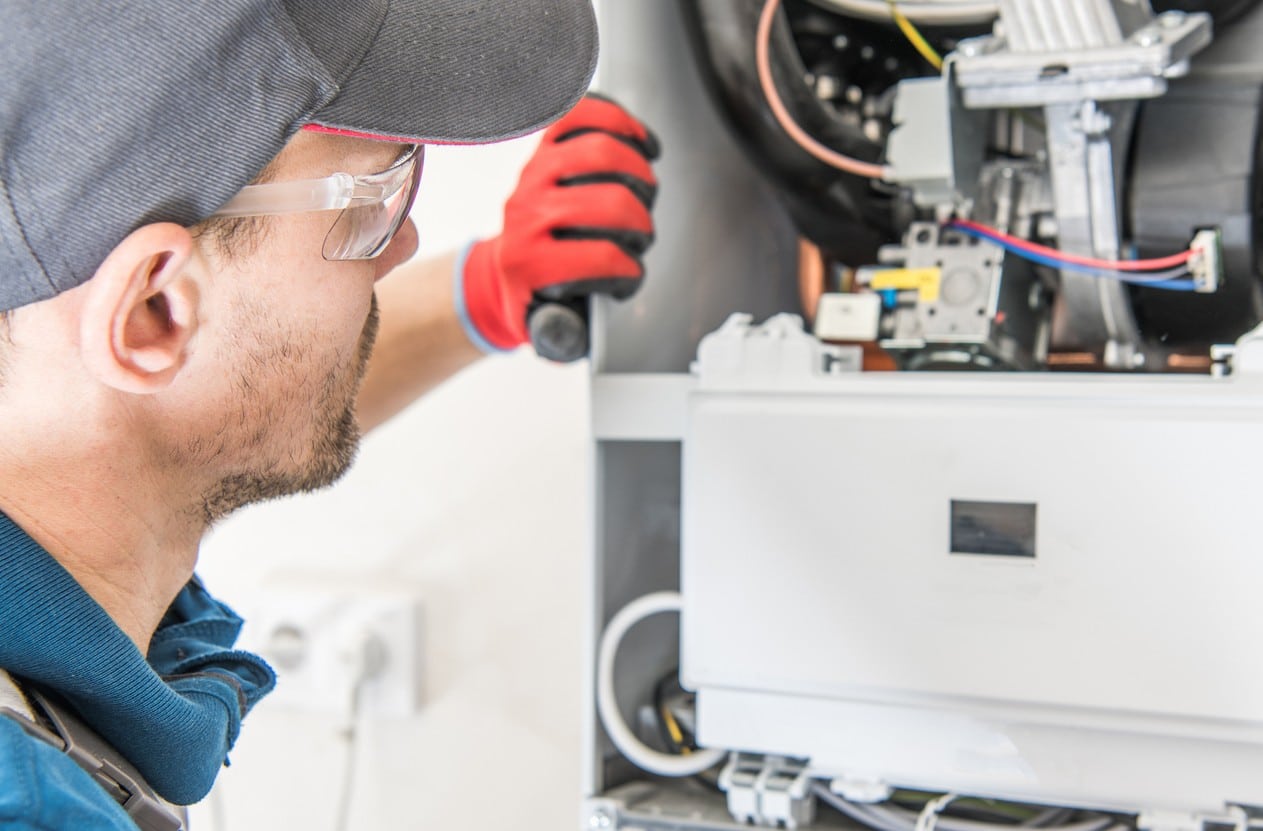
What Does a Technician Check Before Recommending Repair or Replacement?
An honest recommendation starts with the full picture, not just the broken part. Bull Mountain takes a repair-first approach and recommends replacement only when the numbers support it.
During an evaluation, a technician reviews:
- The system’s age and overall condition
- Your repair history
- Refrigerant type
- Compressor and coil condition
- Whether the system fits your home’s size
- Your comfort issues and energy bills
You get a clear explanation of both paths and what each costs.
How Can You Get More Years From Your Heat Pump?
Good habits push a system toward the long end of its lifespan.
Helpful Steps
- Change filters every one to three months
- Keep leaves and debris clear of the outdoor unit
- Schedule professional maintenance at least once a year
- Fix small problems before they strain other parts
- Keep a record of every service visit
A well-maintained heat pump often outlasts a neglected one by years. Learn more in How Long Do Heat Pumps Typically Last?
Not Sure Which Way to Go?
Bull Mountain’s technicians inspect your heat pump, explain what they find, and lay out repair and replacement options side by side so you can decide without pressure.
Contact us to book an appointment, or call or text (503) 612-6677.
Frequently Asked Questions
How long do heat pumps last in Portland?
Most heat pumps last 10 to 15 years, and well-maintained systems sometimes reach 20. Year-round use in Portland makes regular maintenance especially important.
Is it worth repairing a 10-year-old heat pump?
Often, yes, if the repair is minor and the system otherwise runs well. A major failure like a compressor on a 10-year-old system usually shifts the math toward replacement.
Should I replace my heat pump before it fails?
If your system shows several warning signs, planned replacement lets you choose equipment, check incentives, and schedule installation on your terms instead of during an emergency.
Can I replace just the outdoor unit?
Sometimes. A technician needs to confirm the indoor and outdoor components work together, since a mismatched system can lose efficiency and comfort.
Are there incentives for replacing a heat pump in Portland?
Energy Trust of Oregon offers cash incentives for qualifying heat pumps in homes served by Portland General Electric and Pacific Power, with larger amounts for income-qualified households. The federal heat pump tax credit ended December 31, 2025. Learn more about heat pump installation in Portland.