Posted on

Fall HVAC Checklist: 10 Things Portland Homeowners Should Check Before Cold Weather Hits

Fall in Portland can be unpredictable. One week your home barely needs heat, and the next, cold mornings, damp weather, and shorter days make your furnace or heat pump work much harder.

That is why fall is one of the best times to check your HVAC system. A little preparation now can help you avoid uncomfortable surprises when colder weather arrives. It can also help your system run more efficiently, reduce unnecessary strain, and give you time to schedule service before heating season is in full swing.

Here are 10 things Portland homeowners should check before cold weather hits.

1. Check or Replace Your Air Filter
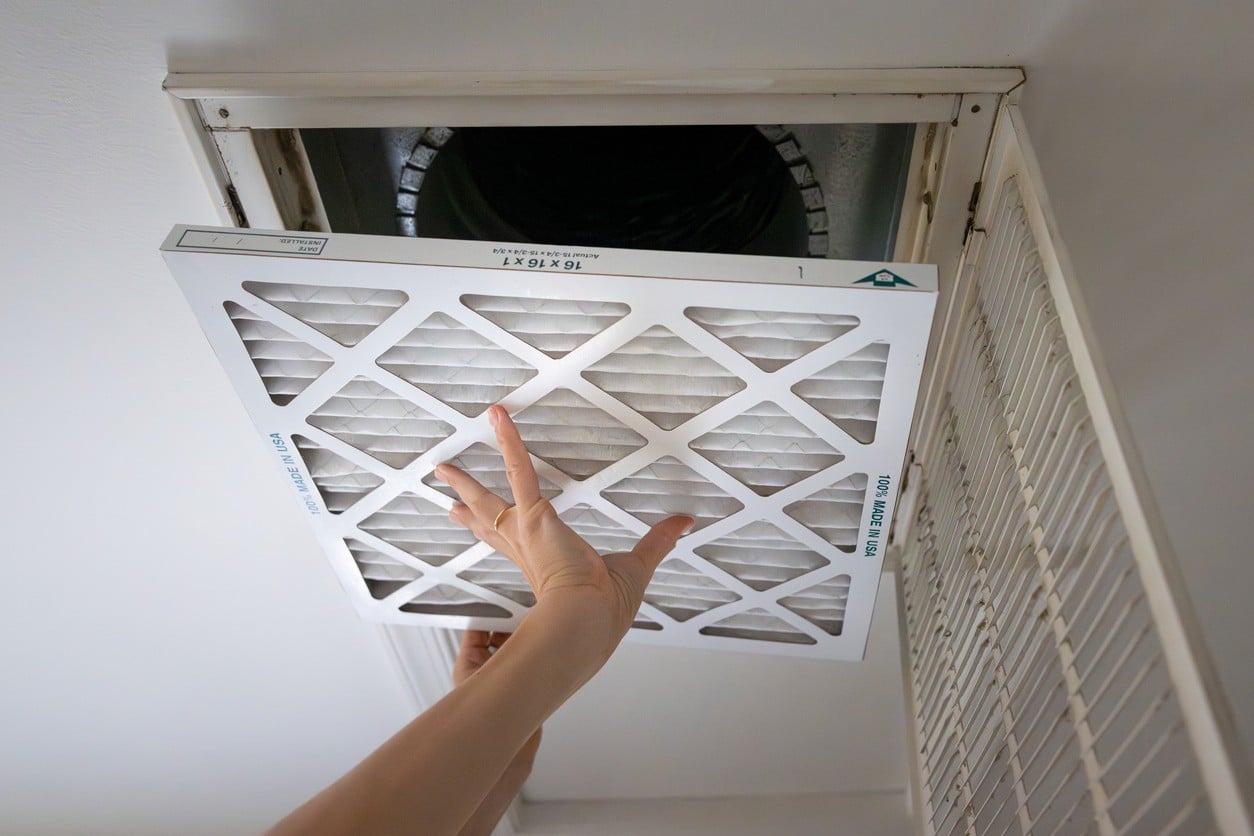
Your air filter is one of the easiest places to start. A dirty or clogged filter makes it harder for air to move through your heating system. When airflow is restricted, your furnace or heat pump may have to run longer to warm your home.

Before colder weather settles in, remove your current filter and check its condition. If it looks dusty, gray, or clogged, replace it with a clean one. Most homeowners should check their filters every one to three months, but homes with pets, allergies, dust, or heavy HVAC use may need more frequent filter changes.

This is a simple task, but it can make a noticeable difference in airflow, comfort, and system performance.

2. Test Your Thermostat Before You Need Heat

Do not wait until the first cold morning to find out your thermostat is not working correctly.

Switch your thermostat to heat mode and set the temperature a few degrees above the current room temperature. Your heating system should turn on within a few minutes. Let it run long enough to make sure warm air is coming from the vents and the system completes a normal cycle.

This is also a good time to review your thermostat schedule. If you use a smart thermostat, make sure the settings still match your family’s routine. Fall schedules often change with school, work, holidays, and shorter days, so your heating schedule may need a quick update.

If your thermostat does not trigger the heat, seems inaccurate, or causes the system to run oddly, it may be time to schedule a professional inspection.

3. Turn on the Furnace Early


One of the best fall HVAC checks is simply turning your furnace on before you truly need it.

Choose a mild fall day and let the heating system run for a short period. Pay attention to how it starts, how it sounds, and whether warm air reaches the rooms in your home. A slight dusty smell during the first cycle of the season can happen, especially if the system has been off for months. That smell should fade quickly.

What you do not want to ignore is a strong burning odor, electrical smell, gas smell, loud banging, grinding, or a system that starts and stops repeatedly. Those signs can point to an issue that should be checked before the system is under daily winter demand.

If your furnace does not seem ready for the season, Bull Mountain provides furnace repair and maintenance in Portland for homeowners who want reliable heat before cold weather arrives.

4. Make Sure Vents and Returns Are Clear
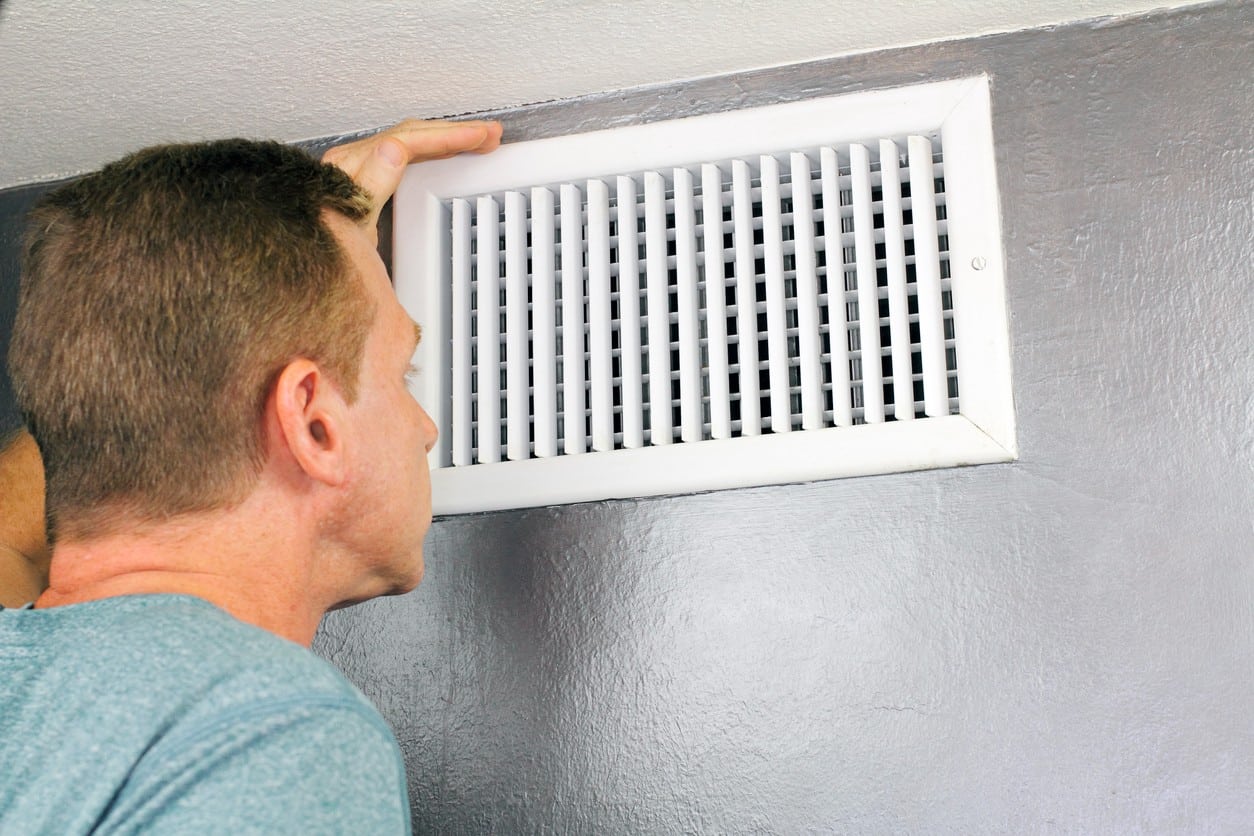
Your HVAC system needs steady airflow to heat your home properly. When vents or return grilles are blocked, rooms can feel colder, the system can run longer, and comfort problems can become more noticeable.

Walk through your home and look at each supply vent and return grille. Make sure furniture, rugs, curtains, pet beds, and storage bins are not blocking airflow. Even one blocked return can affect how well your system moves air through the home.

This is especially important if you had rooms last winter that never felt warm enough. Sometimes the issue is not the furnace itself. It may be poor airflow, a dirty filter, closed vents, or blocked returns.

If you clear the vents and replace the filter but still notice weak airflow or uneven heating, it is worth having the system checked.

5. Clean Around Indoor HVAC Equipment

Fall is a good time to clean up the space around your furnace, air handler, or indoor HVAC equipment.

Many homeowners store items in garages, closets, utility rooms, and basements. Over time, boxes, tools, paint cans, cleaning supplies, and seasonal items can end up too close to HVAC equipment.

Keep the area around your system open and easy to access. This helps technicians service the system safely and makes it easier to spot visible concerns like rust, water, corrosion, or loose panels.

Avoid storing flammable items near the furnace, including cardboard, paper, paint, gasoline, solvents, or cleaning chemicals. You do not need to open the unit or inspect internal components yourself. Just make sure the surrounding space is clear, clean, and safe.

6. Check Carbon Monoxide Detectors

If your home has a gas furnace, carbon monoxide safety should be part of your fall checklist.

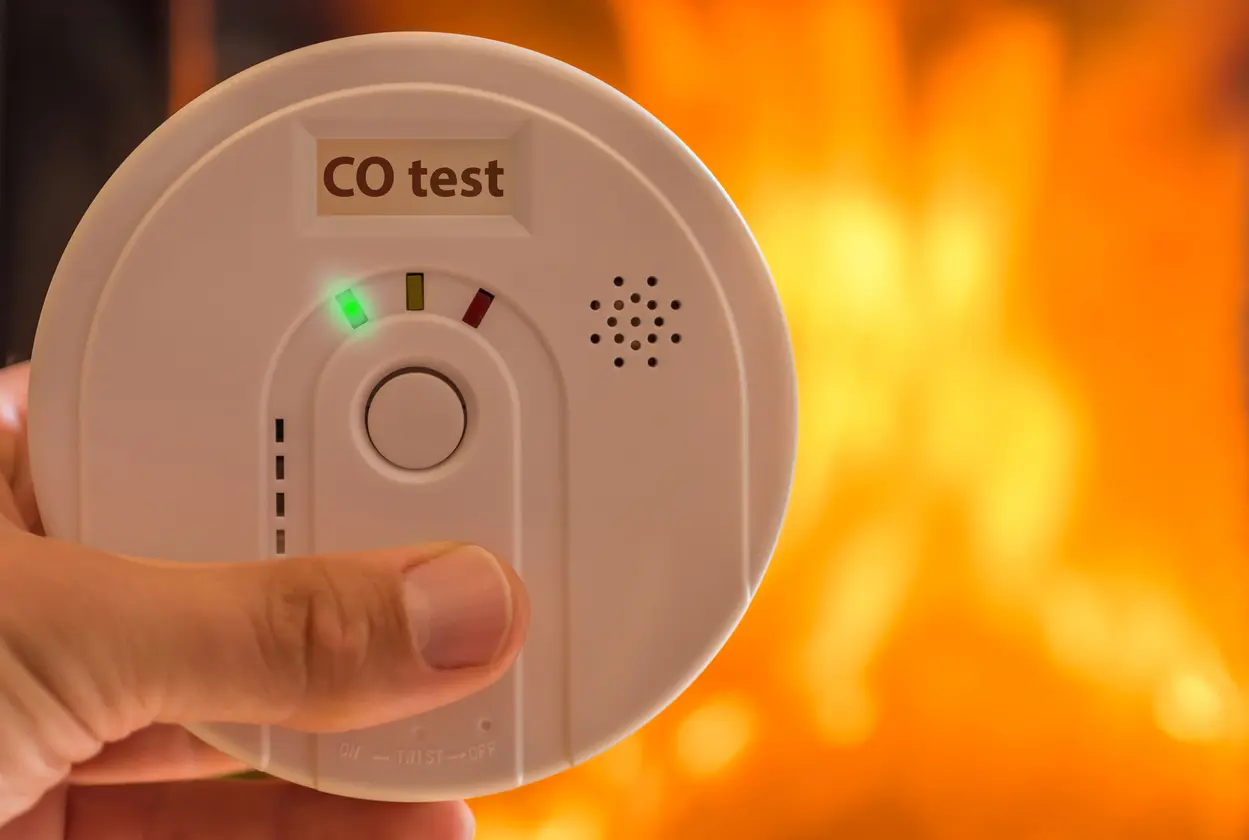
Carbon monoxide cannot be seen or smelled, which makes working detectors very important during heating season. Test your carbon monoxide detectors, replace batteries if needed, and confirm that detectors are installed in the right areas of your home based on the manufacturer’s instructions.

Call for help right away if you notice warning signs like:

  1. A carbon monoxide alarm going off
  2. A gas smell
  3. Soot or unusual discoloration near equipment
  4. Headaches, dizziness, or nausea that seem worse indoors

If you smell gas, leave the home and contact your gas utility or emergency services. Do not try to repair gas lines, burners, electrical components, or furnace safety controls yourself.

7. Listen for New or Unusual Sounds

Most heating systems make some noise when they start, run, or shut down. The key is whether the sound is new, loud, or unusual.

Rattling, banging, grinding, squealing, humming, clicking, or whistling can all point to different HVAC issues. Some may be minor. Others may signal blower motor problems, ignition issues, loose parts, airflow restrictions, or electrical concerns.

If your system sounds different than it did last year, do not ignore it. A furnace may still heat the home while a part is beginning to fail. Catching the issue early can help prevent a more inconvenient breakdown later in the season.

8. Think Back to Last Winter’s Comfort Problems

Before another heating season begins, think about how your home felt last winter.

Were some rooms colder than others? Did the furnace seem to run constantly? Did your energy bills feel higher than expected? Did you rely on space heaters in certain areas? Did the upstairs and downstairs feel completely different?

Those details are easy to forget once spring arrives, but they can be helpful when preparing your HVAC system for fall. Uneven temperatures, long run times, weak airflow, and high utility bills can all point to issues worth checking before the colder months return.

In some cases, maintenance or repair may help. In others, the issue may relate to aging equipment, ductwork, insulation, thermostat placement, or system sizing. If your current system struggled last winter, it may also be worth discussing whether repair or HVAC installation makes more sense long term.

9. Check Outdoor Equipment Before Leaves Pile Up

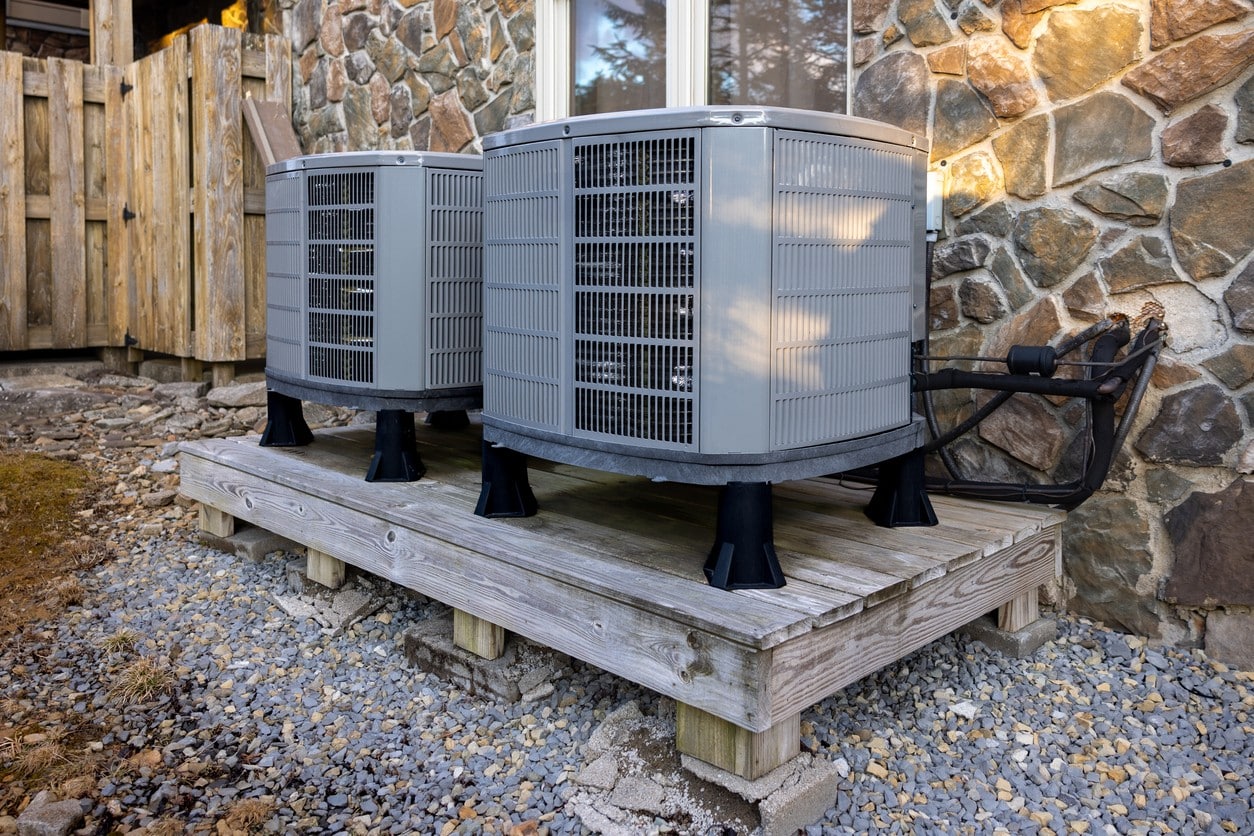
If you have a heat pump or outdoor HVAC equipment, fall cleanup matters.

Leaves, branches, weeds, and debris can collect around the outdoor unit. When that happens, the system may have a harder time moving air. Before Portland’s wet fall weather settles in, clear the area around the unit and trim back plants that are too close.

You do not need to take the unit apart or clean internal components yourself. The goal is simply to keep the area open and accessible.

This is especially important for heat pumps because they work during both cooling and heating seasons. If you notice ice buildup, loud operation, short cycling, or a heat pump that struggles to warm your home, schedule service before colder weather makes the issue worse.

10. Schedule Professional HVAC Maintenance
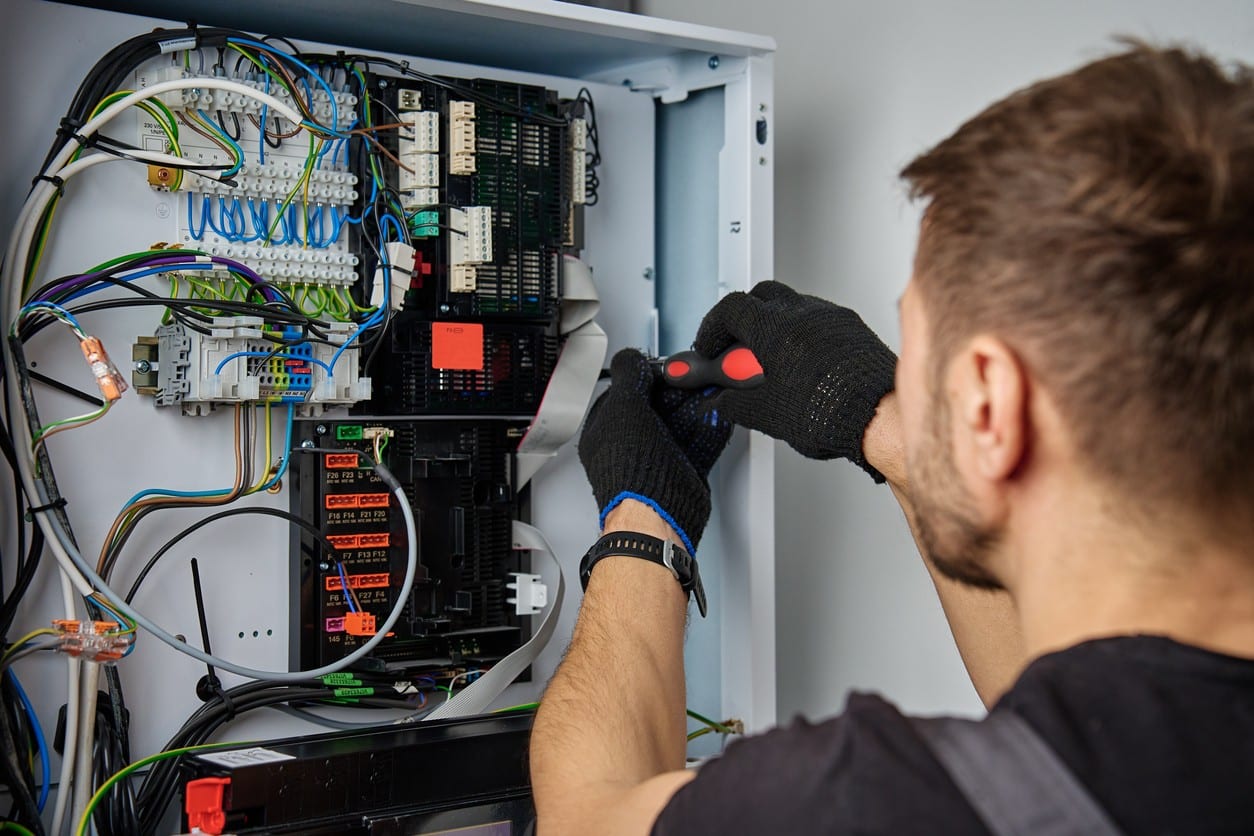
There are plenty of fall HVAC checks homeowners can do safely, but some parts of the system should be inspected by a trained technician.

A professional maintenance visit can help confirm that your heating system is operating properly before it has to run every day. A technician can inspect system performance, check electrical components, review airflow, test safety controls, and look for wear that may not be obvious from the outside.

This is especially helpful if your system is older, has not been serviced recently, made strange noises last winter, or seemed to struggle during colder weather.

Bull Mountain’s Service Club maintenance program is designed to help Portland homeowners keep their heating and cooling systems maintained throughout the year.

When to Call for Heating Repair

A fall checklist can help you spot problems early, but some issues should not wait for routine maintenance.

Call for heating repair if your system has no heat, blows cold air, makes loud or unusual noises, gives off burning or electrical smells, trips breakers, cycles on and off repeatedly, or will not respond to the thermostat.

You should also act quickly if your carbon monoxide detector goes off or you smell gas. Safety concerns should always be handled immediately.

For urgent heating and cooling issues, Bull Mountain provides emergency HVAC repair in Portland when homeowners need help quickly.

Get Your Portland Home Ready for Cold Weather

Fall is the right time to make sure your HVAC system is ready for Portland’s colder, wetter months. A few simple checks can help improve comfort, catch warning signs early, and reduce the chance of an unexpected heating problem when you need your system most.

Start with the basics: check the filter, test the thermostat, turn on the furnace, clear vents, review safety devices, and pay attention to unusual sounds or smells. Then schedule professional maintenance so your system can be inspected before heating season is fully underway.

Need help getting your home ready for fall? Contact Bull Mountain Heating & Cooling to schedule furnace maintenance, heating repair, or seasonal HVAC service for your Portland home.
Posted on

Signs of Carbon Monoxide Risk in Your Heating System (and How To Stay Safe)

carbon-monoxide-safety

A warm home during a cold season is a blessing, but there is something you should know. Even when everything is working well and seemingly normal, carbon monoxide is present. You cannot see it or smell it. This is where things can be dangerous. A carbon monoxide furnace leak can occur and spread in your home putting you and your family at serious risk. Most homeowners in Portland are exposed to high amounts of this during winter when everything is closed and sealed.

Carbon Monoxide (CO) is often called the “silent killer” because it is completely odorless and colorless, yet it can replace oxygen in the bloodstream and cause severe health issues, including headaches, dizziness, nausea, or even more serious outcomes. Knowing how to spot early warning signs and take preventative measures is key to keeping your household safe.

This guide will walk you through the signs of carbon monoxide leak, how to respond if you suspect CO is present, and the steps you can take to maintain heating system safety throughout the year. You’ll also learn why professional inspections and routine maintenance from trusted local experts are crucial for furnace safety in Portland. By following these tips, you can keep your home safe, your furnace running efficiently, and your family protected from this invisible threat.

What Carbon Monoxide Is and Why Furnace Leaks Are So Dangerous

Carbon monoxide is an odorless, colorless gas produced when fuels like natural gas, oil, or propane don’t burn completely. Gas appliances like furnaces, water heaters, stoves, and fireplaces can all make CO if they malfunction or if there is an issue with combustion or venting. CO is dangerous because it displaces the oxygen in your body. Even small amounts can be dangerous for your health when inhaled chronically and high amounts can be fatal.

In Portland, we have to close and seal homes tightly for the cold and wet winters, which increase the risks of CO being trapped within the house. Many homeowners do not even realize there is danger because CO is odorless and colorless. This is where a working and operational CO detector is imperative. Having a detector gives you the best early warning system and peace of mind for your family, even when you can’t see or smell the gas.

Knowing CO is in your house is a huge step for understanding the risks regarding the safety of your heating system. Gas appliances like furnaces can be very safe and will not be an issue when properly installed and maintained, however small things like a heat exchanger crack, a blocked flue or poor combustion can make your system a lot more dangerous.

Common Signs of Carbon Monoxide Risks in Your Heating System

Knowing what to look for can prevent a minor furnace problem from becoming a life-threatening situation. Here are common signs of a carbon monoxide leak in home heating systems:

  • Yellow or flickering pilot light: A steady blue flame indicates proper combustion. A yellow or flickering flame can mean incomplete combustion and increased CO production.
  • Soot or scorch marks: Black residue near the furnace, vents, or on nearby walls is a clear warning of improper venting.
  • Condensation on windows or walls: Excess moisture near vents or ducts may indicate blocked airflow or poor ventilation.
  • Rust or corrosion on flue pipes: Damaged pipes can leak CO into the living area.
  • Unusual furnace noises or smells: Metallic, burning, or exhaust-like odors should never be ignored.
  • Frequent system shutdowns: Repeated tripping of safety sensors can signal improper venting or blocked exhaust, both of which increase CO risk.

In addition to these system-based signs, changes in your home’s environment, such as unusual condensation, musty odors, or unexplained discoloration on walls, can also indicate ventilation problems that might contribute to CO buildup. Paying attention to these subtle clues helps ensure your furnace operates safely.

Physical Symptoms of CO Exposure

Understanding how CO affects the body is just as important as recognizing mechanical signs in your furnace. Early exposure often mimics common illnesses, making it easy to overlook:

  • Mild symptoms include headache, dizziness, nausea, fatigue, and shortness of breath. These often improve when you leave the house and step into fresh air.
  • Severe symptoms include confusion, chest pain, vomiting, and loss of consciousness.

If multiple people in the household experience these symptoms indoors but feel better outside, it is a strong indicator of CO exposure. Young children, elderly family members, and pets are particularly vulnerable. Recognizing the health signs early and acting quickly can prevent serious consequences.

What to Do If You Suspect Carbon Monoxide in Your Home

If you think CO might be present, immediate action is crucial. First, evacuate everyone to fresh air outside. Do not try to ventilate the home by opening windows or doors; CO can accumulate faster than it disperses.

Next, call 911 or your local fire department and report a suspected CO leak. Emergency responders have the equipment to measure CO levels safely and determine if it is dangerous to re-enter your home.

Do not return indoors until professionals confirm it is safe. Once the immediate danger has passed, contact a licensed HVAC technician for a full inspection of your furnace, flue, and combustion system. Even if your CO detector alarm is triggered, a professional check ensures there are no hidden issues that could recur.

How to Prevent Carbon Monoxide Risks Year-Round

Prevention is the best way to protect your home and family from CO. Regular maintenance and safe practices form the foundation of heating system safety.

Start with CO detectors. Place detectors on every floor, particularly near sleeping areas. Test them monthly and replace batteries at least twice a year. A working detector is your first line of defense against invisible CO exposure.

Annual furnace maintenance is essential. A certified technician will inspect the heat exchanger for cracks, check venting, measure combustion quality, and test CO levels around the furnace. This helps catch issues before they become dangerous. Keeping flues and vents clear of debris, nests, or snow buildup is also critical. Blockages can prevent proper ventilation and allow CO to accumulate indoors.

Avoid attempting furnace repairs yourself. Even small mistakes in venting or combustion adjustment can increase CO risk. Also, never use indoor generators, grills, or gas-powered heaters inside your home, as these produce CO that can quickly become dangerous.

Simple habits like keeping vents clear, checking for unusual furnace behavior, and scheduling inspections create a safer home environment all year.

The Importance of Professional Furnace Inspections

Licensed HVAC technicians are trained to detect issues invisible to homeowners. They use specialized tools such as combustion analyzers and CO detectors to check furnace performance, exhaust safety, and CO levels.

At Bull Mountain Heating & Cooling, technicians inspect key components including:

  • Heat exchanger integrity to ensure no exhaust gases are leaking into your home
  • Flue and vent connections for blockages or damage
  • Gas pressure and combustion quality to maintain efficient and safe operation
  • CO levels near and around the furnace

Their experience with Portland homes, many of which are older and exposed to damp winters allows them to spot subtle warning signs that might otherwise go unnoticed. Regular professional inspections provide peace of mind and are a critical step in maintaining furnace safety in Portland.

A professional inspection not only detects existing hazards but also helps prevent future issues. Small repairs or adjustments now can prevent dangerous CO leaks later. Technicians can also educate homeowners on safe furnace operation and best practices for long-term heating system safety.

Additional Tips for Home Safety

In addition to regular inspections and CO detectors, homeowners can take extra steps to reduce risk:

  • Ensure your furnace is correctly sized for your home. An undersized system can overwork and increase CO production.
  • Keep the area around the furnace clean and free from combustible materials.
  • Monitor energy bills; a sudden spike may indicate inefficient combustion or venting issues.
  • Educate family members on the sounds and alarms of CO detectors so everyone knows when to act.

Combining these tips with routine maintenance and professional checks creates a comprehensive approach to CO prevention.

Stay Safe with Professional Furnace Support

Carbon monoxide is invisible, odorless, and extremely dangerous. If you have a gas furnace, knowing the signs of carbon monoxide leak and taking preventive steps is essential to protect your family. Installing CO detectors, scheduling annual inspections, and following furnace safety Portland guidelines can prevent serious hazards.

Watch for yellow pilot lights, soot, unusual odors, or condensation. Be alert to symptoms like headache, dizziness, or nausea that improve outdoors. If CO exposure is suspected, evacuate immediately and seek professional help.

Working with local experts like Bull Mountain Heating & Cooling ensures your carbon monoxide furnace is safe and reliable. Their licensed technicians provide thorough inspections, detect hidden leaks, and maintain your system for year-round heating system safety.

Protect your home and family with confidence, contact us today at Bull Mountain Heating & Cooling for professional inspections and expert advice.

Posted on

Seasonal HVAC Calendar – Preventative Maintenance Tips by Month

bull-mointain-trucks

If you want your home to be comfortable all year round, it will require constant attention. The main reason for this is its unpredictable climate. The winters can be very cold, and rains make it worse. Summers also get extremely warm, making us thankful for cold air. And how can we forget fall, which brings pollen, dust, and fluctuating temperatures. If you want to remain comfortable despite all this, an HVAC can be your home saver. However, it does need routine maintenance if you want it to last long.

That’s where a monthly HVAC maintenance calendar really helps. Instead of waiting for your system to break, you can do preventative maintenance to maintain its system efficiency.. By doing simple things like checking the filter, listening for strange sounds, and calling an hvac tecnician for a tune-up at the right time, you can keep your system at peak performance for as long as possible..

The best part? These steps don’t take much time at all, but they make a big difference. You’ll enjoy cleaner air, lower energy bills, and a home that feels just right all year round.

Up next, you’ll find a simple month-by-month maintenance schedule to help you stay on track so preventitive maintenance on your HVAC system is always ready when you need it most. Consider this your HVAC preventive maintenance checklist.

January – Winter Warmth Checkup

The holidays are over, and your furnace has been pulling extra weight to keep the house cozy. January is the right time to give it a little attention. Start by checking the furnace filter and replacing it if it looks dirty. A clean filter helps your system breathe easier, keeps your bills down, and prevents early wear. Next, take a quick look at your thermostat settings. If you changed temperatures while family was visiting, reset them to what feels comfortable for daily living. While you’re at it, listen closely to your furnace. Odd sounds like grinding or rattling can be early signs of trouble you don’t want to ignore.

February – Mid-Winter Efficiency Boost

By February, the cold feels steady and never-ending. This makes it a good month to make sure your system is running with as much energy efficiency as possible. Take a vacuum and clear dust around your vents and registers so warm air can move freely. Peek at any ductwork you can see to spot cracks or loose connections, leaks here can drive up heating costs quickly. And don’t forget safety. Test your carbon monoxide detectors and swap out batteries if it’s been a while.

March – Transition to Spring

March means spring is creeping closer, and with it comes pollen and the first warm days. This is the month to change your air filters to prepare for allergy season. You’ll breathe easier with fresh filters in place. Head outside and clear around your outdoor unit, removing any branches or leaves that might be crowding it. Finally, schedule a professional inspection before AC season begins. It’s much better to find problems now than on the first hot day.

April – Allergy & Air Quality Prep

Portland blooms in April, but pollen can make life indoors uncomfortable. Consider upgrading to a higher-efficiency filter, especially if you or someone in your home struggles with allergies. Take a look at your humidifier or dehumidifier too, making sure it’s clean and working properly. And on those rare sunny days, crack open your windows to let in fresh air. A good breeze can help your home feel brighter and less stuffy, as well as keep your energy costs under control.

May – Cooling System Tune-Up

Summer isn’t here just yet, but May is the time to make sure your AC is ready. Switch your thermostat over to cooling mode and run the system for a bit to confirm cold air is flowing. Step outside and give your condenser coils a good cleaning, dust and dirt buildup here can rob your system of efficiency. While you’re outside, trim back plants or shrubs so there’s at least two feet of clear space around the unit. That open space helps it run without strain.

June – Pre-Summer Performance Check

By June, you’ll likely be using the AC more often, so give it a quick performance check. Replace your air filters again before peak usage hits. Look at the insulation around your refrigerant lines and replace it if it’s worn down, since that insulation helps keep cooling efficient. Run the air conditioning for a few hours during the day and make sure your rooms are cooling evenly It’s better to spot an issue now than wait for unexpected breakdowns hot July afternoon.July – Peak Summer System Care

July is often the hardest stretch for your air conditioner. Keep a close eye on your energy bills, if they suddenly spike, your system may be struggling. Walk through your home and notice if any rooms are warmer than others, since uneven cooling can point to ductwork or vent issues. Another simple trick is to keep blinds and curtains closed during the day. Blocking out direct sunlight reduces strain on your AC and helps the house stay cooler.

August – Prevent Overheating

Heat can linger in August, and your system may feel the pressure. Take time to clean your indoor vents and make sure airflow isn’t blocked by rugs or furniture. Step outside and listen to your unit, if it sounds like it’s working harder than usual, or you notice any unusual noises, that could be a sign of overheating. This is also a smart month to schedule a late-summer service. A quick checkup can prevent an inconvenient breakdown while temperatures are still high.

September – Fall Transition Prep

When cooler nights roll in, it’s time to think about heating again. Replace your filters before you turn on the furnace for the first time in months. Switch your thermostat to heating mode and make sure everything kicks on as expected. This is also the perfect time to schedule home maintenance so you’ll be ready when cold weather settles in for good.

October – Heater Readiness Month

October is when heating season truly begins, as it’s usually when the colder months start, so get your heating system ready. Clean around your furnace and check for any clutter or dust nearby, since these can become fire hazards. If your furnace has a pilot light, make sure it’s steady and burning correctly. Double-check your carbon monoxide detectors to keep your home safe, and reverse your ceiling fans so they push warm air down. That simple step helps keep rooms comfortable without putting extra strain on your system.

November – Energy-Saving Season

The holidays mean more people in the house, which means more demand on your system. Start November by replacing your filters so your furnace can keep up. Walk around and seal up any drafty windows or doors, since leaks here let expensive heat slip right out. To save even more, lower your thermostat a few degrees at night or when you’re away. Small changes like this can add up to noticeable savings over the season.

December – Winter Reliability Check

December is often the toughest month on your furnace. Give it one last reliability check before the year ends. Pay attention to unusual smells or sounds, catching them early could save you from a midwinter breakdown. Clean your vents and registers before holiday guests arrive so air flows freely and the house feels fresh. Finally, look back on your yearly maintenance. If you haven’t had an annual tune-up yet, now’s the time to schedule one before heading into another busy year.

When to Call a Professional

Some tasks are simple, like changing filters or vacuuming vents. But other jobs are best left to trained technicians. If you notice weak airflow, uneven heating or cooling, water leaks, or strange noises that don’t go away, it’s time to call in an expert. Regular inspections can help keep repair costs under control.

At Bull Mountain Heating & Cooling, we’re not a franchise. We’re your neighbors here in Tigard, serving the community since 2003. Our team is trained, honest, and committed to fixing problems the right way. Whether it’s seasonal maintenance or an emergency repair, we’re ready to help you keep your home comfortable all year long.

Conclusion

Staying on top of your HVAC system monthly regular maintenance doesn’t have to be complicated. With small steps each month, you can keep your system running smoothly, lower your energy bills, and avoid surprise breakdowns and costly repairs. Think of it like looking after a bike, you pump up the tires, oil the chain, and check the brakes so it rides better and lasts longer. Your HVAC is the same way. Regular HVAC maintenance can save you from bigger problems later. Plus, it feels nice knowing your home will stay cozy in the winter, cool in the summer, and fresh all year long.

Ready to simplify your HVAC care? Contact Bull Mountain Heating & Cooling today to schedule your seasonal maintenance. We’ll make sure your system is ready for whatever Portland’s weather throws your way.

Posted on

The Role of Smart Thermostats in Modern HVAC Systems

family-in-living-room

Think of an evening where you are cozy under your blanket and even your home is warmed up to the perfect temperature. Or if you get home after a hot day and want your room to be cool before reaching. This is exactly what smart thermostats do. These devices do not just set temperatures, but they also adjust and adapt to your modern HVAC system to keep your home at an ideal temperature without spending too much.

A study also shows that smart thermostats save the average U.S. household about 8 percent on bills.

hvac-repair-closeup-crop

If you are thinking this is not something you should get, and only those who prefer home gadgets will go for this, you are wrong. Having a programmable thermostat has become an essential for every household that prefers comfort and efficiency. But there are some things you should know about these devices, such as how they work, why home today should invest in these, and how they can add value to your home.

How Smart Thermostats Work – A Step-by-Step Overview

Understand the basics – How they connect to your HVAC system

At their core, smart thermostats connect directly to your home’s HVAC equipment, just like traditional thermostats. The difference is, they’re equipped with Wi-Fi connectivity, sensors, and software that allow them to do much more than turn your furnace or AC on and off.

Once installed, they link to your heating and cooling equipment using the same wiring your old thermostat used. From there, they connect to your home’s Wi-Fi so you can control the indoor temperature with a phone, tablet, or even your voice.

Learn about sensors, scheduling, and remote access

Old thermostats usually just check the temperature in one spot of your home, and that’s it. Smart thermostats go a step further with built-in occupancy sensors that can keep track of a lot more. They’re not perfect, but they’re definitely smarter. For example:

  • They can measure more than just temperature—things like humidity, movement in the room, and even air quality in some models.
  • The thermostat can tell if no one’s home and automatically ease off on heating or cooling so you’re not wasting energy.
  • You can set up flexible schedules for weekdays, weekends, or even vacations so your home feels right without you thinking about it.
  • If your plans change (and let’s be honest, they always do), you can grab your phone and adjust the temp from anywhere.

Basically, the thermostat does a lot of the work for you, while still giving you control when you want it.

Make adjustments based on data for comfort and efficiency

This is where smart thermostats shine. They learn over time, and the device builds a profile of your habits. Such as when you wake up, when the house is empty, and how quickly your rooms heat or cool. Using that information (and even local weather reports), it fine-tunes your HVAC system to keep you comfortable while reducing wasted energy and helps you save money on your utility bills.

Think of it as having a personal assistant for your heating and cooling, always watching, learning, and adjusting behind the scenes.

family-in-living-room

Why Smart Thermostats Make Sense for Modern Homes

The US smart thermostat market is growing fast. In fact, it was valued at $2.36 billion in 2024 and is expected to keep climbing at about 17.5 percent growth every year through 2030. That means more and more households are making the switch because they see real value in comfort, savings, and efficiency. Energy management is clearly on the upswing.

Energy savings compared to traditional thermostats

One of the biggest reasons homeowners make the switch is energy savings. Traditional thermostats often run the system even when no one’s home. Smart thermostats also reduce waste by controlling the heating or cooling temperatures when it isn’t needed. Having energy efficiency in your energy consumption is good for the environment and responsible.

This allows families to save up a decent amount on their energy bills with a smart thermostat.

Convenience of remote control via phone or voice assistant

Imagine lying in bed on a frosty morning and turning up the heat with just your voice. Or adjusting the temperature in the office because you’ll be home later than expected. Smart thermostats give you that flexibility.

Whether it’s through a mobile app, Alexa, Google Assistant, or even Siri, controlling your home’s temperature settings is easier than ever. This isn’t just convenient, it ensures you’re never wasting energy when plans change.

Long-term cost benefits and environmental impact

Yes, smart thermostats cost more upfront than basic models. But when you factor in the monthly savings in your energy costs, fewer maintenance issues (thanks to system alerts), and the overall lifespan of your HVAC system being extended by efficient use, the investment makes sense.

Plus, by reducing unnecessary heating and cooling, you’re lowering your home’s carbon footprint. That’s a win-win: comfort for your family and less impact on the planet.

Choosing the Right Smart Thermostat for Your Home

Differences between basic, learning, and adaptive models

Not all smart thermostats are built the same. Basic models focus on remote access and simple scheduling. Learning thermostats go a step further, automatically picking up on your habits. Adaptive models are the most advanced; they combine learning features with real-time data like energy rates and weather patterns to make highly efficient adjustments. Temperature control has never been easier.

Features to consider

When shopping for a smart thermostat, look for features that match your lifestyle:

  • App compatibility– Make sure it works with your smartphone brand and smart home ecosystem.
  • Geofencing– This uses your phone’s GPS to detect when you’re on your way home, so it can adjust the temperature before you arrive.
  • Humidity control– A helpful feature for those muggy Oregon summers or dry winter days.

Matching your thermostat to your home size, HVAC system, and lifestyle

Every home is unique. A small apartment won’t need the same thermostat as a multi-story house with multiple HVAC zones. Likewise, older HVAC systems may not support the most advanced models. The best approach? Talk to an HVAC professional who can help match the right thermostat to your equipment and family’s needs.

Tips for Getting the Most Out of Your Smart Thermostat

Getting a smart thermostat is one thing, but actually knowing how to use it well is another. A lot of people don’t go beyond the basics, which means they miss out on the real benefits. With just a few easy habits, you can make it work a whole lot better for you.

Set up schedules based on your daily routines.

Start by creating a simple weekday and weekend schedule. For example, lower the heat when you leave for work, bring it back up before you return, and ease it down again at bedtime. Over time, your thermostat will refine these patterns for you.

Use energy reports to fine-tune your settings.

Most smart thermostats provide monthly or weekly reports showing energy use. These insights highlight when your system is working hardest, and where you can make small tweaks for big savings.

Integrate with other smart home devices for seamless automation

Pairing your thermostat with other smart devices makes your home even more efficient. For instance, smart blinds can close during the hottest part of the day, reducing cooling needs. Or your thermostat might coordinate with your security system to switch into energy-saving mode when the alarm is set.

Future-Proofing Your HVAC with Smart Technology

Smart thermostats are built to keep getting better over time. As technology changes, new features roll out, and our homes get smarter, your thermostat can grow along with it. This means you don’t have to worry about it being outdated anytime soon.

How updates and AI can enhance efficiency over time

The beauty of smart thermostats is that they keep getting better. Manufacturers release software updates that improve algorithms, add features, and even boost compatibility with other smart devices. Some models use AI to adapt faster and more accurately than ever before.

Preparing your home for evolving smart home ecosystems

As more homes adopt connected devices, lighting, security, and appliances, having a smart thermostat puts you ahead of the curve. It becomes the central piece of your home’s comfort system, easily integrating with other smart tech as your needs grow.

Upgrade your HVAC with a smart thermostat today for comfort and savings

If you’ve been on the fence about upgrading, now’s the perfect time. A smart thermostat isn’t just a gadget, it’s an investment in comfort, savings, and peace of mind.

At Bull Mountain Heating & Cooling, we’ve been helping our neighbors in Tigard and beyond stay comfortable since 2003. We will make your smart thermostat installation as easy as possible. Whether you need help choosing the right model or installing it with care, our team is here to make sure your home runs smoothly. We also can provide regular maintenance on your modern HVAC system.

So why wait? Upgrade your HVAC with a smart thermostat today for comfort and savings.