 April 16, 2026
 Is your AC working harder than it should? A cooling system goes through a lot during the warmer months. Your air conditioner may be humming away for hours, yet you walk from room to room, and something still feels off, warm, and uncomfortable. Sound familiar? You’re definitely not alone.
The truth is, most air conditioning repair issues don’t show up with a sudden breakdown. They start quietly, with a slightly higher energy bill or a new sound you chalk up to “just the AC”. Over time, those little signs pile up into something much more disruptive and expensive.
This guide walks you through the early warning signs that your AC is struggling, so you can catch problems before they turn into major HVAC repair jobs. The sooner you spot them, the more options you have before things get expensive.
1. Rising Energy Bills Without a Clear Reason
One of the first signs your air conditioning needs attention is a rise in utility costs, even when nothing in your routine has changed. Same family, same schedule, same thermostat settings, but your bills keep climbing.
When the parts of your air conditioning unit begin to break down, whether it’s the compressor, the fan motors, or low levels of refrigerant, your air conditioner has to work harder and longer to cool down to the desired temperature.
Dirty air filters or blocked ducts make things worse now that the system is pushing air through extra resistance, running even longer, and wearing itself out faster.
If your energy costs have crept up noticeably over a billing cycle or two without a clear explanation, don’t ignore it. That bill is often your first clue that something under the hood is starting to go wrong.
2. Uneven Cooling or Weak Airflow Throughout the Home
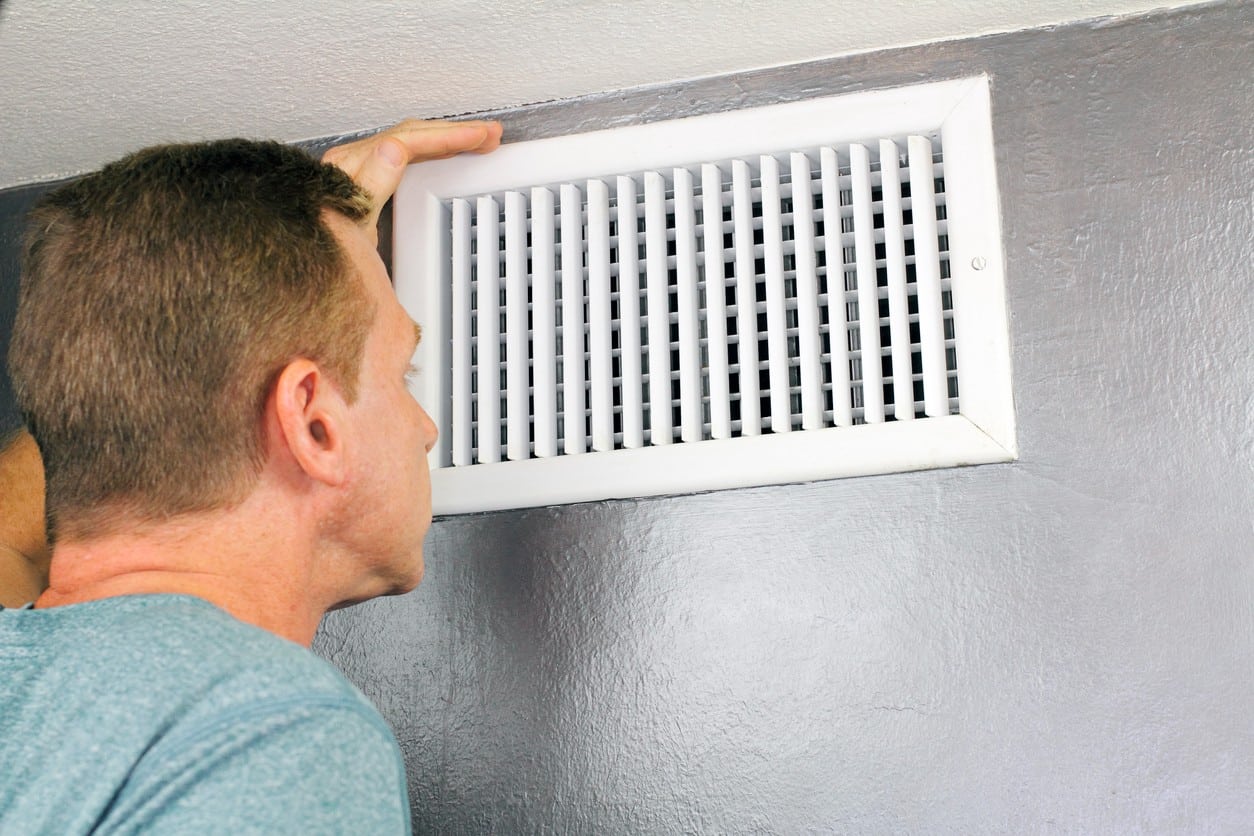
Take a look around your home during a hot summer day. Is one room nice and cool, while another feels like an oven? If yes, you have an air conditioning system that cannot properly distribute the air it generates.
Uneven cooling typically points to one or more of these issues:
- Hot and cold spots (i.e., specific rooms never reach the desired temperature, regardless of how long the unit runs)
- Weak airflow (the unit is running, but there is not much air actually coming out of the vents)
- Leaking or blocked ducts (conditioned air is escaping before reaching certain rooms)
All of these issues force your system to work harder than necessary, which can accelerate wear and bring you closer to a repair call.
If rooms in your home consistently fail to reach the temperature on your thermostat, or if you’ve noticed a gradual weakening of airflow over the past season, these are early indicators that HVAC service may be needed.
3. Your AC Runs Constantly or Cycles Too Frequently
Your air conditioner is built to work in cycles. It runs until your home reaches the target temperature, shuts off, then kicks back on when needed. When that rhythm breaks down, it’s a reliable sign that something isn’t right.
There are two patterns to watch for:
The system runs non-stop. If your unit is on 24/7 it probably means it is struggling to reach the temperature you have set. This could be due to a refrigerant leak, a dirty evaporator coil, or a compressor that is on its last legs. The air conditioning system is indeed running, but it’s not cooling the space. This will raise your energy bills and cause your HVAC parts to wear out more quickly.
The system short-cycles. By contrast, if your unit is going on and off every few minutes before it even has a chance to cool the whole room, that’s short-cycling. This could happen if the unit size is too big, there’s a refrigerant problem, or an overheating component is triggering a safety shutoff. Consider that every time your compressor starts up, it is under stress, so a series of short cycles is extremely detrimental to your equipment.
The U.S. Department of Energy’s guide on central air conditioning offers useful information on how cycling behavior affects efficiency and system longevity.
4. Strange Noises, Aging Systems, and Declining Performance
An air conditioner working correctly should be producing little more than a gentle humming sound. Unfortunately, the moment you hear something different, it is because your AC unit is trying to tell you a problem.
Here’s what different sounds often mean:
- Rattling: Indicates a component has come loose, a panel has been dislodged, or there is debris inside the unit
- Buzzing: Electrical problems, a failing contactor, or a refrigerant leak
- Banging or clanking: A broken or loose part inside the compressor — this one shouldn’t wait
A small rattle can be fixed easily, but if it is neglected for a while, it can result in a damaged motor or compressor failure. Fixing these major issues is far more costly than simply repairing the unit when the problem is still minor.
In addition to the noises, notice changes in your system’s general performance. If it used to take only 20 minutes to cool your home but now it takes 60 minutes or more, or if the air coming out of your vents is not as cold as you would like, your system is losing its cooling capacity, and that’s not a good sign.
So overall, don’t ignore a breakdown. Getting to your professional inspection before your system starts making unfamiliar sounds, underperforming, or is quite old will give you the chance to be proactive rather than reactive.
5. Warm Air or Weak Airflow
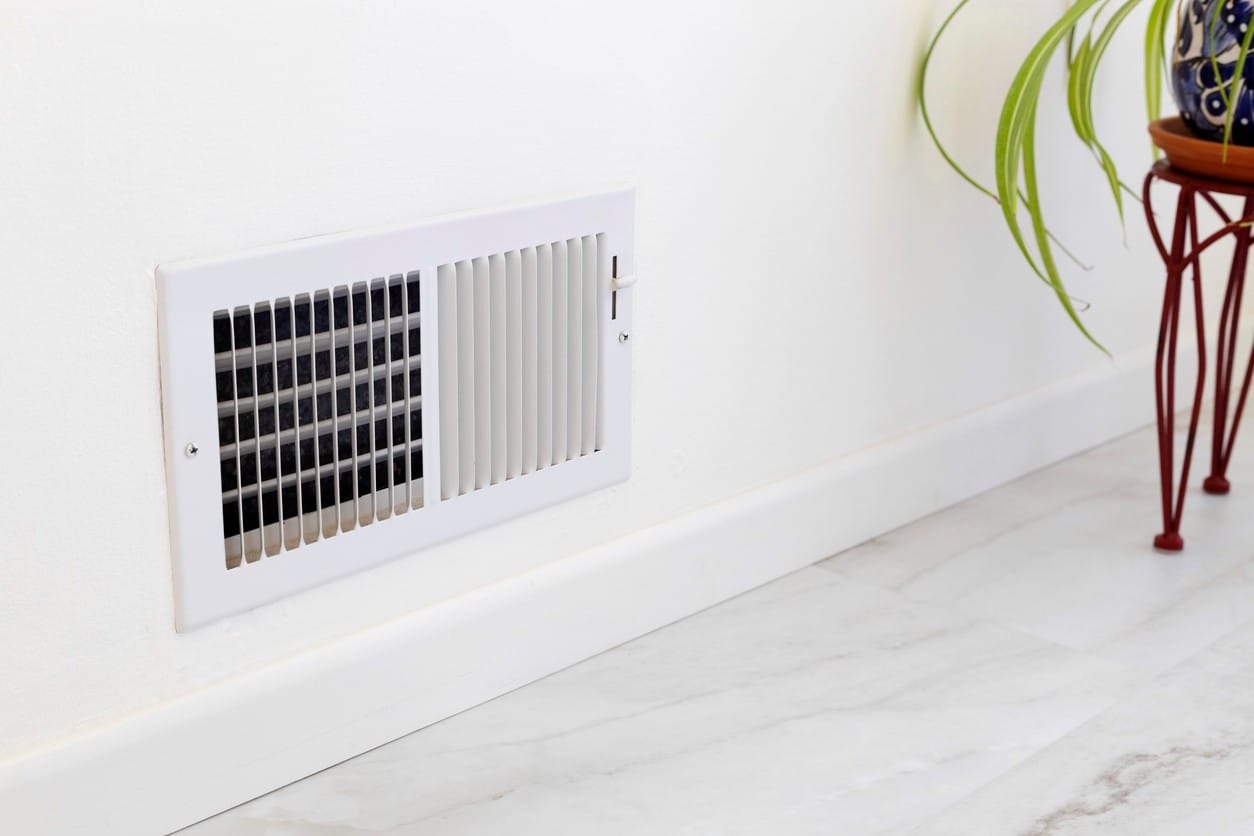
Your AC is on, but the airflow feels weak, or worse, it’s blowing warm air. This is more than just a comfort issue. It’s a signal that your system is struggling.
A few things might be at play:
- Dirty coils or filters are choking the system
- Blower motor issues
- Refrigerant leaks
- Frozen coils from restricted airflow
If your equipment is getting old and you’re experiencing several performance issues, contacting a professional can be very helpful. It can figure out the right time for targeted HVAC repair and whether or not replacing the unit should be considered before it becomes an emergency.
Ready to Get Your AC Running Right?
If your system has been showing any of these warning signs, our team at Bull Mountain Heating & Cooling is ready to help with flexible trusted hvac services for over 20 years.
Serving the Portland area with honest, reliable air conditioning repair portland homeowners can count on, don’t wait until you’re facing an emergency on the hottest day of the year. Reach out today and get your home back to comfort.
Frequently Asked Questions
Is it normal for my AC to run all day?
Yes, longer running times on scorching days are expected. But if your unit runs nonstop and still can’t heat the room or reach your desired temperature, there’s a performance fault that won’t resolve itself. A solution to the problem where a machine runs non-stop is a waste of energy and leads to accelerated wear of the machine.
Why is my AC not cooling evenly?
There are several reasons that can cause uneven cooling, such as duct leaks or blockages, a system that has lost capacity, the unit’s condition or size, etc. An HVAC specialist is not only the cause but also the solution to the problem directly. Thus, the technician may take you through changes to the system, duct sealing, or even the need for more than simple fixes.
How do I know if I need AC repair?
Rising energy costs, inconsistent cooling, strange noises, or a system that keeps running nonstop or doing short cycles are all signs that the AC needs repair. Either way, an expert evaluation is the quickest way to determine if you actually need an AC repair portland or not.
Do higher energy bills mean my AC is failing?
It doesn’t mean that your air conditioner is failing completely. Still, higher energy bills without any change in the way of energy utilization are nearly always a sign of lower efficiency or the beginning of mechanical failure. If you get it checked early on, then you can stop the problem from becoming a very expensive one.
When should I call for HVAC service?
If any of the signs mentioned in this article have popped up, including strange noises, temperature inconsistencies, an unexplained increase in energy use, or abnormal cycling behavior, it is time to book HVAC service. Usually, if you get a problem fixed at an early stage, the cost will be lower than that of a breakdown