 September 21, 2026
 You turn up the thermostat, wait a few minutes, and nothing happens. No click, no rumble, no warm air from the vents. Or the furnace kicks on, but the air coming out feels cold.
A furnace not working is frustrating, but the cause is often something small. A thermostat set to the wrong mode, a tripped breaker, a bumped power switch, or a clogged filter can all shut down your heat. You can check each of these in a few minutes, without tools or HVAC experience.
Below are nine things Portland homeowners can safely check before calling for furnace repair, what common symptoms usually mean, and the warning signs that tell you to stop troubleshooting and call a professional.
9 Things to Check When Your Furnace Stops Working
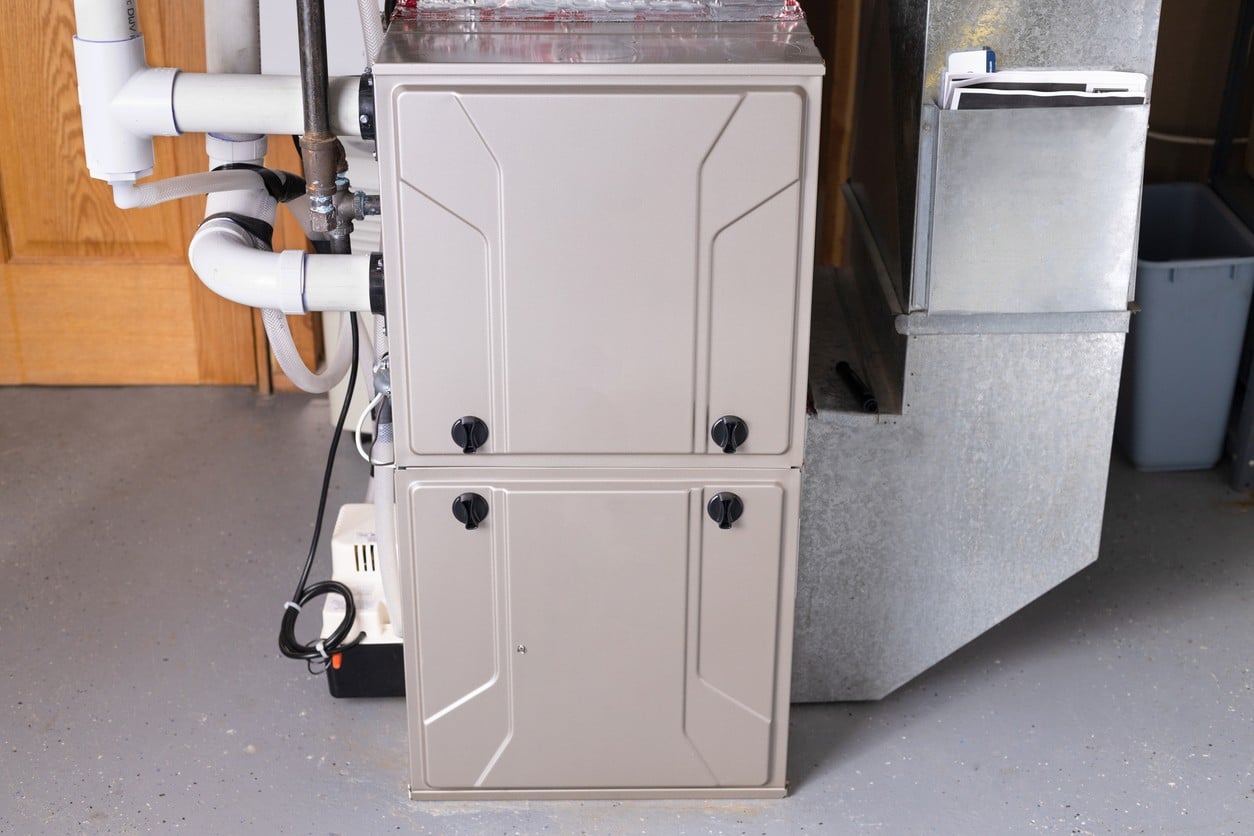
Start at the top of this list and work your way down. The first few checks take seconds, and if your furnace is not turning on at all, numbers four through six are the ones people most often miss.
1. Set the Thermostat to Heat
It sounds too simple, but a thermostat on Cool or Off will keep the furnace quiet no matter how cold the house gets. Make sure the display says Heat, then raise the temperature about five degrees above the current room temperature. Wait a few minutes and listen for the furnace to start.
2. Check the Batteries and Settings
A blank or dim screen usually means dead batteries. Many thermostats run on batteries, and once they die, the thermostat can’t tell the furnace to start. If you use a programmable or smart thermostat, make sure it isn’t stuck in Away or Eco mode or following an old schedule. A power outage or Wi-Fi dropout can also scramble settings without you noticing.
3. Switch the Fan From On to Auto
If air is moving but feels cool, look at the fan setting. On keeps the blower running nonstop, even between heating cycles, so room-temperature air keeps coming out of the vents. Auto runs the fan only while the furnace is actually producing heat.
4. Look for a Tripped Breaker
Even a gas furnace needs electricity to power the blower, ignitor, and controls. Open your electrical panel and look for the furnace or HVAC breaker sitting out of line with the others. Flip it fully off, then back on. If it trips again right away, leave it off and call a technician, since a breaker that keeps tripping points to an electrical problem.
5. Find the Furnace Power Switch
Most furnaces have a dedicated power switch that looks exactly like a light switch. You’ll usually find it on a nearby wall, a ceiling joist, or the side of the furnace. Because it looks so ordinary, it’s easy to flip off by accident while grabbing something from a shelf or reaching for a light. Make sure it’s in the On position.
6. Reseat the Furnace Access Panel
Furnaces have a safety switch that stops the system from running if the front panel isn’t fully in place. If someone recently changed the filter or looked inside, the panel may be sitting slightly crooked. Press it firmly back into position. Never tape down or bypass this switch, because it helps keep combustion gases out of your living space.
7. Check the Air Filter
A clogged filter does more than hurt efficiency. When dust chokes off airflow, the furnace can overheat, and a safety switch shuts off the burners while the blower keeps running. That’s one of the most common reasons a furnace blows cold air. Slide the filter out and hold it up to a light. If you can’t see through it, replace it. Bull Mountain also carries replacement filters if you need one.
8. Open Vents and Clear the Returns
Walk through the house and make sure supply vents are open and nothing blocks the return grilles, including furniture, rugs, and curtains. Closing vents in unused rooms seems like a smart way to save energy, but shutting too many restricts airflow and can cause the same overheating shutdown as a dirty filter.
9. Check the Outdoor Intake and Exhaust Pipes
High-efficiency furnaces vent through white PVC pipes, usually on an exterior wall. The intake pulls in outside air for combustion, and the exhaust pushes combustion gases out. If leaves, debris, or ice block either one, a pressure switch shuts the furnace down as a safety measure. Between Portland’s heavy fall leaf drop and the occasional ice storm, these pipes are worth a look. Clear loose debris by hand or with a soft brush, but if a pipe is frozen solid, leave it alone and call a technician.
What Common Furnace Problems Usually Mean
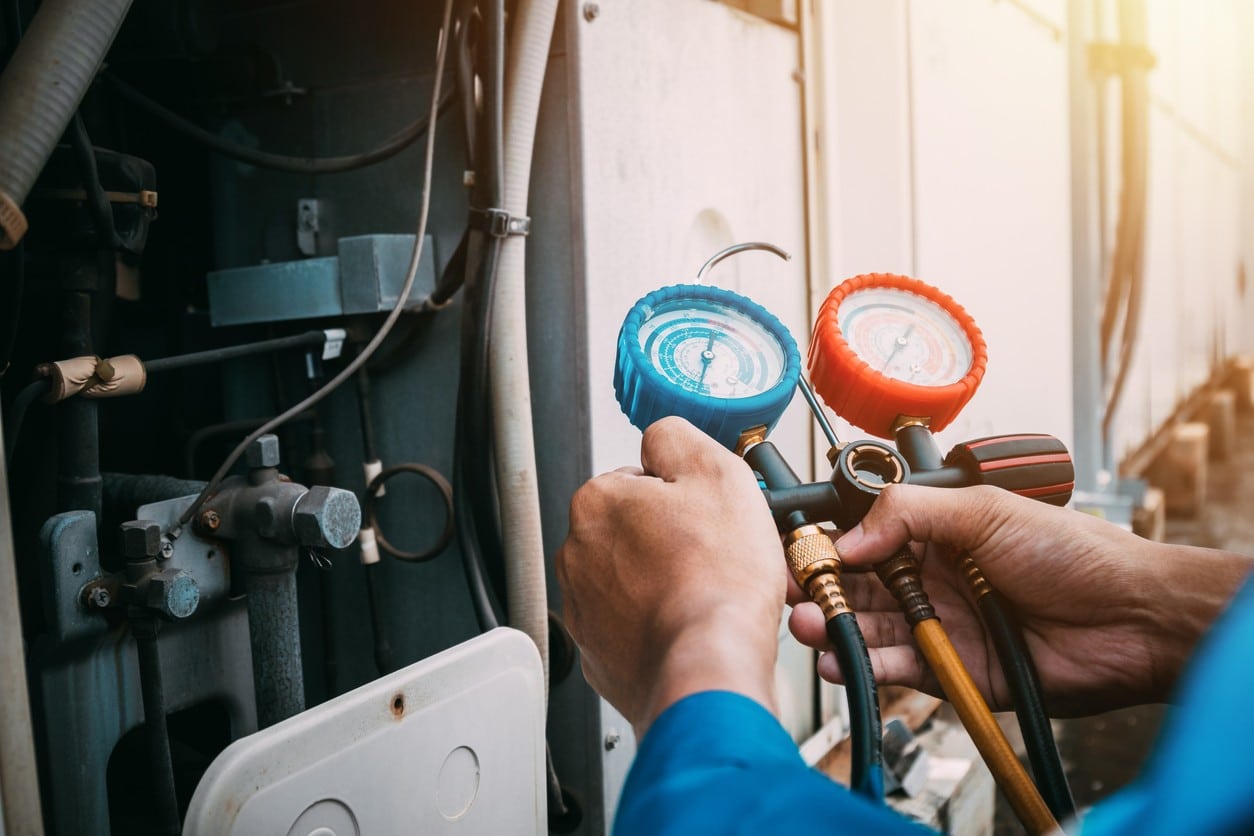
If you’ve worked through the checklist and still don’t have heat, the way your furnace behaves can tell you a lot. Here are four common patterns and what usually sits behind them.
Furnace Blowing Cold Air
If the fan is on Auto and the filter is clean, cold air usually means the burners aren’t lighting or aren’t staying lit. The blower runs as part of its normal sequence, but nothing warms the air before it reaches your vents. Ignition trouble, a dirty flame sensor, or a gas supply issue can all cause this. A short blast of cool air right at startup is normal, though, since the furnace has to push cold air out of the ducts before the warm air arrives.
Furnace Turns On, Then Shuts Off Seconds Later
This is the classic sign of a dirty furnace flame sensor. The burners light, but the sensor can’t confirm the flame, so the furnace cuts the gas as a safety precaution. Most furnaces retry a few times before locking out completely. If your furnace keeps turning on and off every few minutes instead, that’s short cycling. It often traces back to restricted airflow, an overheating furnace, or a system too large for the home.
Clicking but No Heat
Repeated clicking without the burners lighting often points to an ignition problem. Most modern furnaces use either a hot surface ignitor, which glows bright orange before the gas opens, or a spark ignitor that clicks as it tries to light the burners. When the furnace ignitor cracks or wears out, the furnace keeps trying and eventually locks out. Ignitors are wear parts, so they tend to fail as a furnace ages.
Nothing Happens at All
A furnace that stays completely silent, with no fan, no clicking, and no hum, usually has a power or control problem. If the breaker, power switch, and access panel all check out, the issue could involve thermostat wiring, a blown fuse on the control board, or the control board itself. Many furnaces also have a small window on the front panel that shows a status light. If it’s blinking, write down the pattern before you call. It corresponds to an error code that helps the technician narrow down the problem.
When to Stop Troubleshooting and Call a Pro
The checklist above covers what homeowners can safely handle. Beyond that, furnaces involve gas lines, high-voltage wiring, and combustion safety controls that need a trained technician. Stop troubleshooting and call for furnace repair if you notice any of the following:
- A gas smell. Utilities add a sulfur-like, rotten egg odor to natural gas so you can detect leaks. If you smell it, leave the house right away, don’t touch light switches, and call your gas utility or 911 once you’re outside.
- A carbon monoxide alarm. Get everyone out, including pets, and call 911. Don’t go back inside until emergency responders say it’s safe.
- Burning or electrical smells that don’t fade. A dusty smell during the first run of the season is normal and clears quickly. A strong burning, melting plastic, or electrical odor is not. Shut the furnace off and call a technician.
- A breaker that trips again. One reset is reasonable. A second trip points to an electrical fault inside the system.
- Water pooling around the furnace. High-efficiency furnaces produce water as they run and drain it away through a condensate line. A puddle usually means a clogged line or a failed condensate pump, and a safety switch may shut the furnace down to prevent water damage.
- A furnace that keeps locking out. If the system fails the same way after a reset, its safety controls are catching a real problem. Resetting it over and over won’t fix the cause.
- Soot or a yellow, flickering flame. Black soot near the furnace or burners that burn yellow instead of blue can signal incomplete combustion, which raises carbon monoxide risk.
Some of the repairs behind these symptoms, like cleaning a flame sensor or swapping an ignitor, look easy in online videos. They still mean working around gas valves and live electrical components, so leave them to a professional. Bull Mountain’s technicians handle furnace repair in Portland for all makes and models, with same-day service when your home has no heat and emergency HVAC repair when the problem can’t wait.
For more on the warning signs that affect your family’s safety, see this guide to carbon monoxide risk in your heating system.
Is No Heat an Emergency in Portland, Oregon? What to Do While You Wait
In Portland, Oregon, a furnace that quits on a 45-degree day is uncomfortable, but it can usually wait for a regular service call. It becomes an emergency when someone in the home is especially vulnerable to cold, like an infant, an older adult, or anyone with a health condition, or when overnight lows head toward freezing.
Portland doesn’t see extreme cold often, but conditions can turn fast. During the January 2024 ice storm, temperatures dropped to 15 degrees, and burst pipes led to costly repairs in homes across the area. When the forecast looks like that, call for emergency furnace repair rather than waiting it out.
While you wait for a technician, focus on holding onto the heat you have. Gather everyone in one room, close doors to unused spaces, and pull curtains shut at night.
If you use a space heater, plug it directly into a wall outlet instead of an extension cord, keep it at least three feet from anything that can burn, and turn it off when you leave the room or go to sleep. Never heat your home with a gas oven, stove, or grill, and never run a generator indoors. All of them can produce dangerous levels of carbon monoxide.
When temperatures dip below freezing, open the cabinet doors under sinks and let faucets drip to protect your pipes. Once your heat is back, a little prep can keep this from happening again. This guide to getting your furnace ready for a Portland cold snap walks through the basics.
Getting Your Heat Back With Bull Mountain
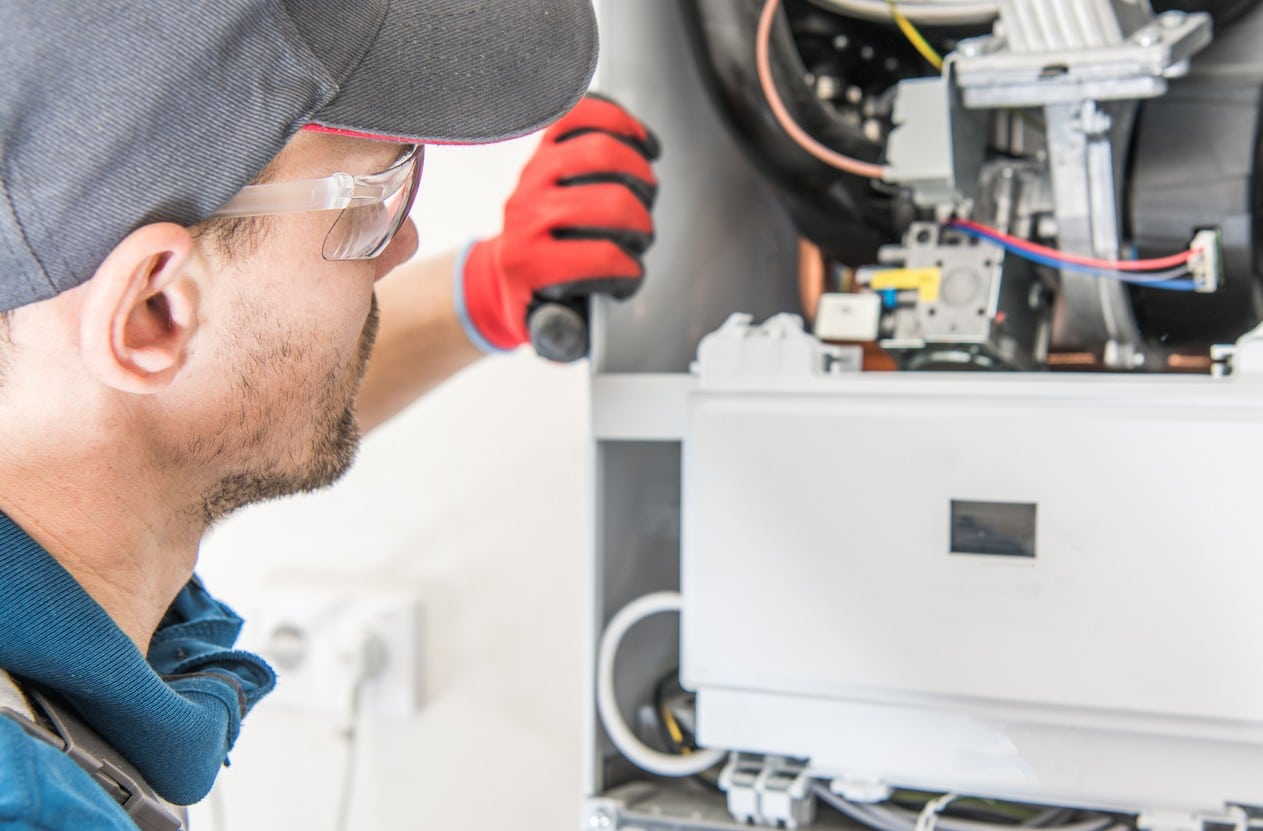
When you call for service, a few details help your technician get to the problem faster. Share what you already checked from the list above, when the problem started, and anything you noticed along the way, like clicking, a burning smell, or burners that shut off after a few seconds. If your furnace has a blinking status light, pass along the pattern. It also helps to know roughly how old the system is and when it last had maintenance.
If your furnace is getting up in years and the repairs keep adding up, it may make sense to compare the cost of another fix against a new system. Bull Mountain offers free in-home estimates for furnace installation, and the HVAC calculator gives you a quick look at the system size your home needs.
To head off the next breakdown, the Bull Mountain Service Club includes an annual maintenance visit, a detailed report on your equipment, and priority service. VIP members also get free emergency service, which takes a lot of the stress out of a cold night with no heat.
Bull Mountain Heating & Cooling has served homeowners across Portland, Oregon since 2003 as a family-owned company, and its technicians complete more than 120 hours of training each year. The team works on all furnace makes and models and offers same-day service. Call or text (503) 612-6677 or schedule service online to get your heat back.
Frequently Asked Questions
Why is my furnace running but not blowing hot air?
Start with the fan setting. If it’s on On instead of Auto, the blower runs between heating cycles and pushes room-temperature air through your vents. If the setting is correct, a clogged filter may be causing an overheating shutdown, or the burners may not be lighting because of an ignitor, flame sensor, or gas supply problem.
Why does my furnace keep turning on and off?
Short cycling usually comes down to airflow, heat, or sizing. A dirty filter or blocked vents can make the furnace overheat and shut itself off early. A dirty flame sensor can shut it down within seconds of lighting. Other causes include a thermostat placed near a heat source or a furnace too large for the home.
How do I reset my furnace?
Turn off the furnace power switch or its breaker, wait about 30 seconds, and turn it back on. That clears most lockouts and gives the system a fresh start. If the furnace locks out again in the same way, stop resetting it and call a technician, since the safety controls are responding to a real problem.
Can a dirty flame sensor stop a furnace from working?
Yes. When soot or buildup coats the sensor, it can’t confirm that the burners are lit, so the furnace shuts off the gas within seconds and eventually locks out. A technician can clean or replace the sensor and check what caused the buildup. Regular maintenance through a plan like the Service Club helps catch this before it leaves you without heat.
How long should a furnace last?
Most gas furnaces last around 15 to 20 years with regular maintenance. If yours is in that range and needs frequent repairs, runs up higher energy bills, or struggles to keep rooms warm, it may be time to look at furnace installation instead of another fix.