 September 21, 2026
 Your furnace probably doesn’t get much thought until something goes wrong. Then the questions pile up fast. Is this repair worth it? How much life does the system have left? Should you start shopping for a new one before it quits?
Most gas furnaces last 15 to 20 years with regular maintenance. Age alone doesn’t make the decision, though. Repair costs, rising energy bills, comfort problems, and safety concerns all shape whether a repair still makes sense or a replacement is the smarter move.
This guide covers how long furnaces typically last, the signs yours is wearing out, two quick rules for the repair-or-replace decision, and what Portland homeowners should weigh when choosing a new system.
How Long Do Furnaces Last?
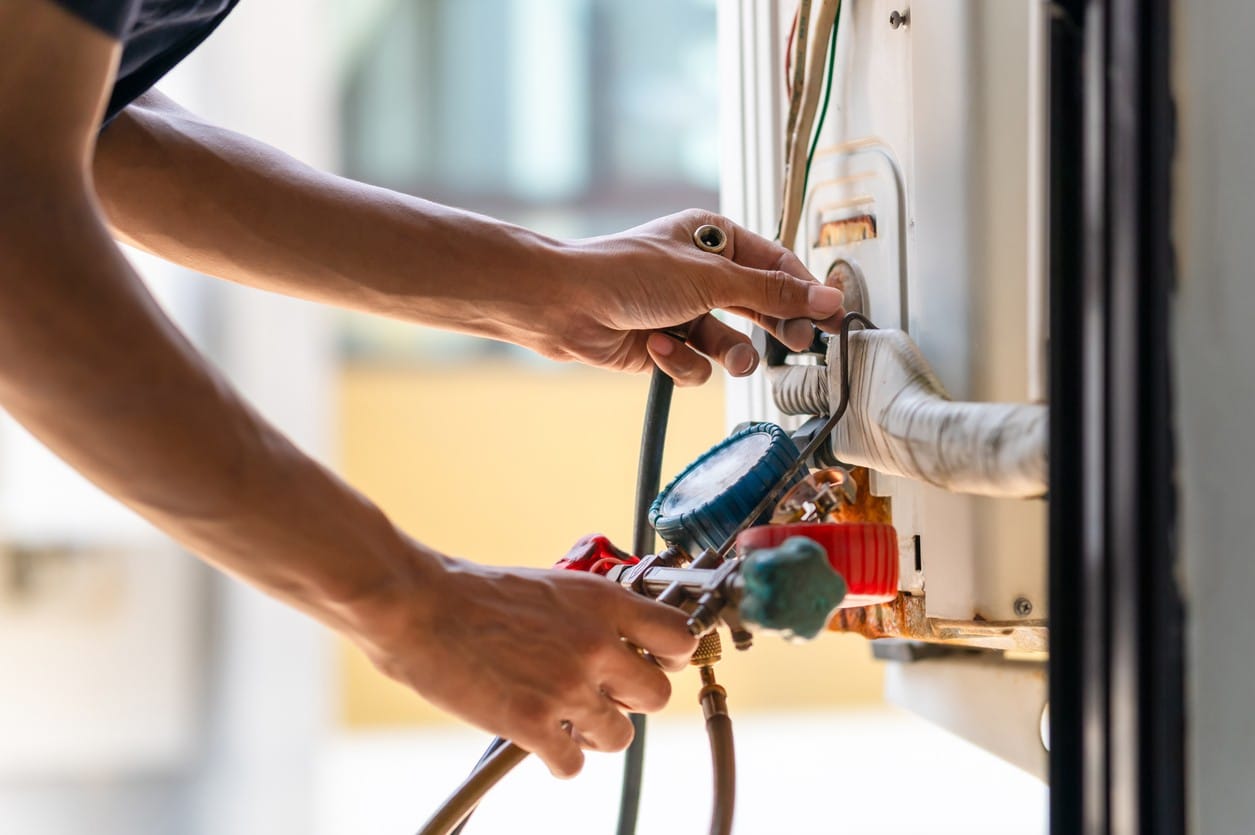
Most gas furnaces last 15 to 20 years. Electric furnaces often run longer, commonly 20 to 30 years, since they don’t have burners or a heat exchanger wearing down from years of combustion.
Where your furnace lands in that range depends mostly on installation quality and the care it gets over the years. A furnace sized correctly for your home runs longer, steadier cycles. An oversized unit turns on and off constantly, and all that starting and stopping wears out parts faster. Airflow matters too. A clogged filter or blocked returns make the blower work harder and can cause the heat exchanger to overheat, which stresses the most important (and most expensive) part of the furnace.
Maintenance ties it all together. An annual tune-up gives a technician the chance to clean key components, test safety controls, and catch worn parts before they fail. Skipping it rarely causes a breakdown right away, but the wear adds up. This breakdown of what regular HVAC maintenance can help you avoid explains why. The Bull Mountain Service Club builds that yearly visit into a simple monthly plan so it never slips off the calendar.
In Portland, Oregon, furnaces put in long seasons. Heating demand typically runs from October into April, with months of cool, damp days in between. That steady runtime makes filter changes and annual maintenance especially worth keeping up with. If you can’t remember the last time you swapped your filter, Bull Mountain carries replacement filters if you need one.
Signs Your Furnace Is Nearing the End
No single warning sign means you need a new furnace. What matters is the overall picture: how old the system is, how well it performs, and whether the same problems keep coming back. When several of these show up together, especially on an older furnace, replacement deserves a serious look.
Age and Repair History
Age is the easiest place to start. Past 15 years, each repair tends to buy less time. To find your furnace’s age, look for the label inside the access panel with the model and serial number. Many manufacturers build the manufacture date into the serial number, and a technician can read it for you during a service visit.
Repair history tells the rest of the story. One service call in a season isn’t unusual, but two or more, or a repair every winter, points to a system that’s wearing out. Older furnaces also get harder to fix as manufacturers stop making certain parts, which can drive up both cost and wait time. If you’ve needed furnace repair more often lately, keep a running total of what you’ve spent. That number helps with the repair-or-replace math below.
Performance That Keeps Slipping
A furnace can keep running long after it stops running well. If your heating bills keep climbing while your habits stay the same, efficiency may be the problem. AFUE, or annual fuel utilization efficiency, tells you how much of the fuel your furnace burns actually turns into heat. Older furnaces often run between 56 and 70 percent AFUE, while new gas furnaces must meet at least 80 percent and high-efficiency models reach 90 to 98.5 percent. A furnace that still uses a standing pilot light, a small flame that burns even when the system isn’t heating, likely falls in that lower range. When comparing bills, look at the gas usage listed on your statement, not just the total, since rate changes can move the dollar amount on their own.
Comfort problems point in the same direction. Cold bedrooms, a chilly upstairs, or rooms that lag behind the thermostat can mean the furnace no longer delivers the heat it once did. A weakening blower, declining output, or a system that never fit the house to begin with can all cause uneven heat. Ductwork can play a role too, so have a technician check both before you decide. If you noticed comfort problems last winter, this fall HVAC checklist walks through what to look at.
Then there are the problems that won’t stay fixed. Banging, rattling, or squealing, burning smells that return after a repair, or a furnace that keeps turning on and off every few minutes all signal wear. A single problem is often a simple fix. The same problems returning season after season usually mean several components are reaching the end of their lives around the same time.
Safety Warnings You Shouldn’t Ignore
The heat exchanger keeps combustion gases separate from the air that circulates through your home. When it cracks, carbon monoxide can leak into your living space. You can’t spot a crack yourself, but warning signs include soot around the furnace, a yellow or flickering flame instead of a steady blue one, and a carbon monoxide alarm going off. A technician can confirm a crack with a camera or combustion test. In most cases, a cracked heat exchanger means replacing the furnace rather than repairing it. This guide to carbon monoxide risk in your heating system covers the warning signs in more detail.
Repair or Replace? Two Quick Rules of Thumb
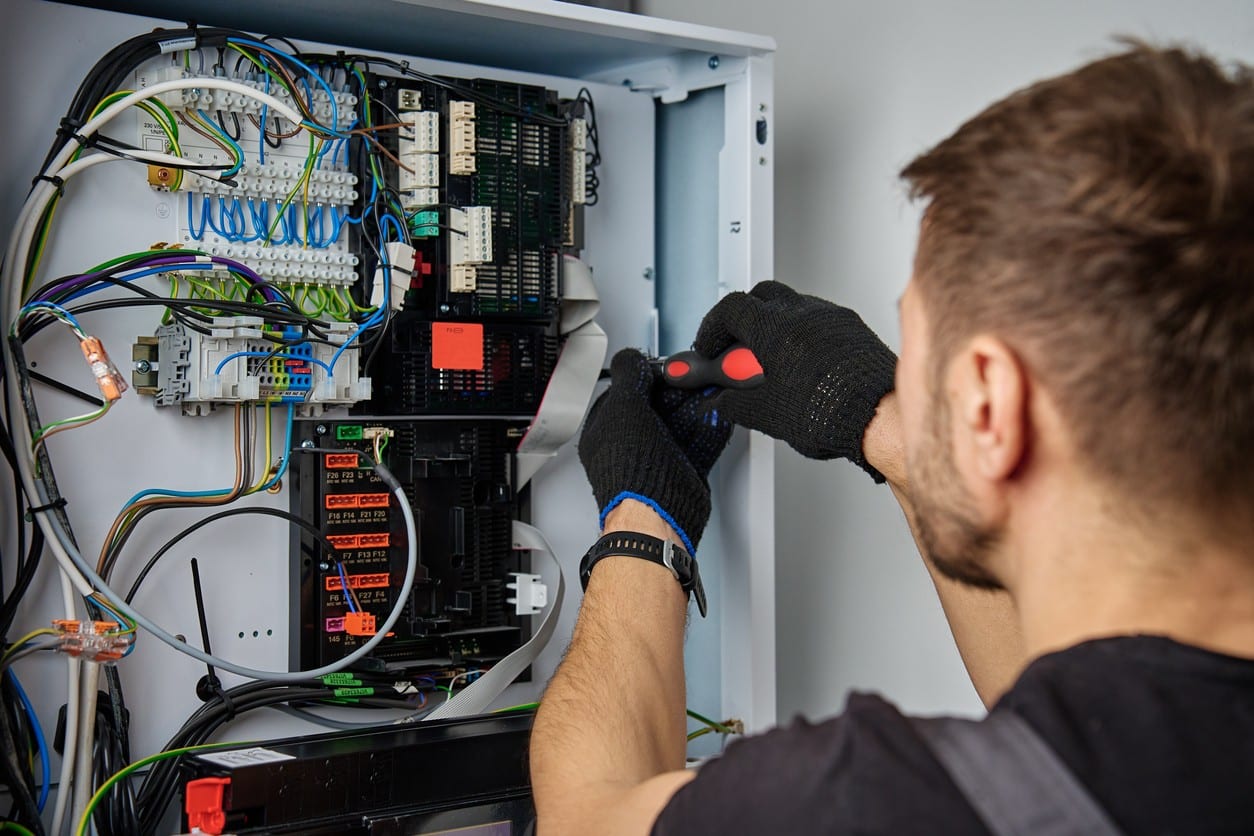
When you’re staring at a repair quote, two simple rules can help you decide.
The first is the 50 percent rule. If a repair costs more than half the price of a comparable new furnace, replacement usually makes more financial sense, especially on a system that’s 12 years or older.
The second is the $5,000 rule. Multiply your furnace’s age by the repair cost. If the result tops $5,000, lean toward replacing. A $400 repair on an 8-year-old furnace comes to $3,200, so fixing it makes sense. That same $400 repair on a 16-year-old furnace comes to $6,400, which tips the scale toward a new system.
Repair still wins in plenty of situations. If your furnace is under 12 to 15 years old, has a solid track record, and needs a common fix like a new ignitor or flame sensor, a repair can keep it running reliably for years. The rules aren’t absolute, either. A newer furnace with a safety problem may still need replacing, and an older furnace in great shape may have more life in it than its age suggests.
The best approach is to ask for both numbers: the repair quote and a replacement estimate. Bull Mountain offers free in-home estimates for furnace installation, so you can compare the two side by side before committing to either. If your air conditioner faces the same question, the same logic applies. This guide on whether to repair or replace your air conditioner breaks it down.
Choosing a New Furnace in Portland, Oregon
Portland’s mild, damp winters give homeowners more options than they’d have in a colder climate. Here’s how the main choices compare.
High-Efficiency Gas Furnace
Gas furnaces deliver strong, steady heat and remain a reliable choice for Portland homes with natural gas service. Standard 80 percent AFUE models cost less up front, while high-efficiency models at 90 percent AFUE and above burn less fuel over time. High-efficiency furnaces vent through PVC pipes and need a condensate drain, so switching from an older, standard model may involve some changes to your venting.
Heat Pump
Heat pumps move heat instead of creating it, which makes them very efficient in mild weather, and they cool your home in summer too. Portland sits in the same mild marine climate zone as Seattle, where heat pumps perform well through most of the winter. If you’re replacing an aging furnace and an old air conditioner at the same time, a heat pump installation can handle heating and cooling with one system.
Dual Fuel System
A dual fuel system pairs a heat pump with a gas furnace. The heat pump handles heating during milder weather, and the furnace takes over automatically when temperatures drop. It’s a good fit for homeowners who want heat pump efficiency most of the year with the backup of gas heat during a cold snap.
Whatever you choose, sizing matters. A system that’s too large short cycles, and one that’s too small runs nonstop on cold nights. A proper evaluation looks at your home’s square footage, insulation, windows, and ductwork. You can get a head start with Bull Mountain’s HVAC calculator, which recommends a system size for your home in seconds. If your air conditioner is 10 years old or older, consider replacing it at the same time. Your furnace’s blower moves air for both heating and cooling, and a matched system runs more efficiently than new equipment paired with old.
Federal tax credits for new furnaces and heat pumps ended on December 31, 2025. Energy Trust of Oregon still offers incentives on qualifying heat pumps and, for income-qualified households, high-efficiency gas furnaces. Eligibility depends on your utility and the equipment, and program details change, so check current offers before you buy.
Plan Your Furnace Replacement With Bull Mountain
The worst time to shop for a furnace is the night it stops working. You end up choosing under pressure, taking whatever fits the schedule, and sitting in a cold house while you wait. Planning ahead gives you time to compare systems, check incentives, and schedule the installation on a mild day. Most residential furnace installations take about a day, depending on the system and ductwork.
Bull Mountain Heating & Cooling has helped homeowners across Portland, Oregon choose and install heating systems since 2003. As a family-owned company, the team evaluates each home individually, looking at size, insulation, and ductwork to recommend the right system rather than the biggest one. Its technicians complete more than 120 hours of training each year, and every in-home estimate is free.
Once your new furnace is in, the Service Club keeps it on track with annual maintenance, a detailed equipment report, and priority service, all of which can help a new system reach the long end of its lifespan.
If your furnace is showing its age, call or text (503) 612-6677 or schedule a free in-home estimate to talk through your options. If it has already stopped working, Bull Mountain offers emergency HVAC repair to get your heat back while you plan your next step.
Frequently Asked Questions
Can a furnace last 30 years?
Some can, but it’s rare for gas furnaces. A well-built, carefully maintained gas furnace may run well past 20 years, while electric furnaces more commonly reach 20 to 30. Even when an older furnace still runs, its efficiency and safety deserve a close look, since worn heat exchangers and outdated designs cost more to operate and carry more risk.
How much does it cost to replace a furnace in Portland?
Furnace replacement cost depends on the type of system, its efficiency rating, the size your home needs, and how much work the installation involves. Moving from a standard furnace to a high-efficiency model, updating ductwork, or replacing your air conditioner at the same time all affect the final price. A free in-home estimate gives you an accurate number for your home, and the HVAC calculator offers a quick starting point on system size.
Is a cracked heat exchanger dangerous?
Yes. A crack can let carbon monoxide escape into the air your furnace circulates through your home. If a technician finds one, they’ll typically recommend shutting the furnace down and replacing it. Keep working carbon monoxide detectors in your home, especially if you have an older gas furnace.
Should I replace my furnace and AC at the same time?
If your air conditioner is 10 years old or older, replacing both together often makes sense. The two systems share the same blower and ductwork, a matched system runs more efficiently, and you get one installation instead of two. If your AC is fairly new and working well, replacing the furnace on its own is usually fine. Bull Mountain handles air conditioning installation alongside furnace replacements when both make sense.
When is the best time to replace a furnace?
Before it fails. Replacing a furnace on your own timeline lets you compare options, look into incentives, and schedule the work on a day when going without heat for a few hours isn’t a problem. If your furnace is nearing 15 years or showing several of the signs above, now is a good time to start the conversation.