Posted on

The Hidden Risks of Waiting Too Long to Call For AC Repair

Has your AC been acting a little off, but you keep putting off the call because it still runs?

Most Portland homeowners do EXACTLY this. The house eventually cools down, and the system seems fine enough. So the problem gets pushed to the back of the to-do list. Days turn into weeks. Weeks turn into months.

Why Delaying AC Repair Can Lead to Bigger Problems

Here’s the thing about most AC problems, they don’t announce themselves. They grow quietly in the background. A minor issue today can become a major system failure tomorrow. Many homeowners do not realize this until the damage is already done.

Portland summers are getting hotter every year. That extra heat puts more pressure on an AC system that is already struggling. A system with an unresolved issue has far less room to handle that kind of demand.

This guide covers the real risks of waiting too long to call for HVAC repair and will help you understand what happens when small problems go ignored. More importantly, it will show you why acting early almost always works out better for your home and your wallet.

If your AC is showing any warning signs, do not wait. Early air conditioning repair services can help catch a small problem before it grows into a costly one.

Small AC Issues Can Turn Into Major HVAC Repairs
Minor Problems Do Not Fix Themselves

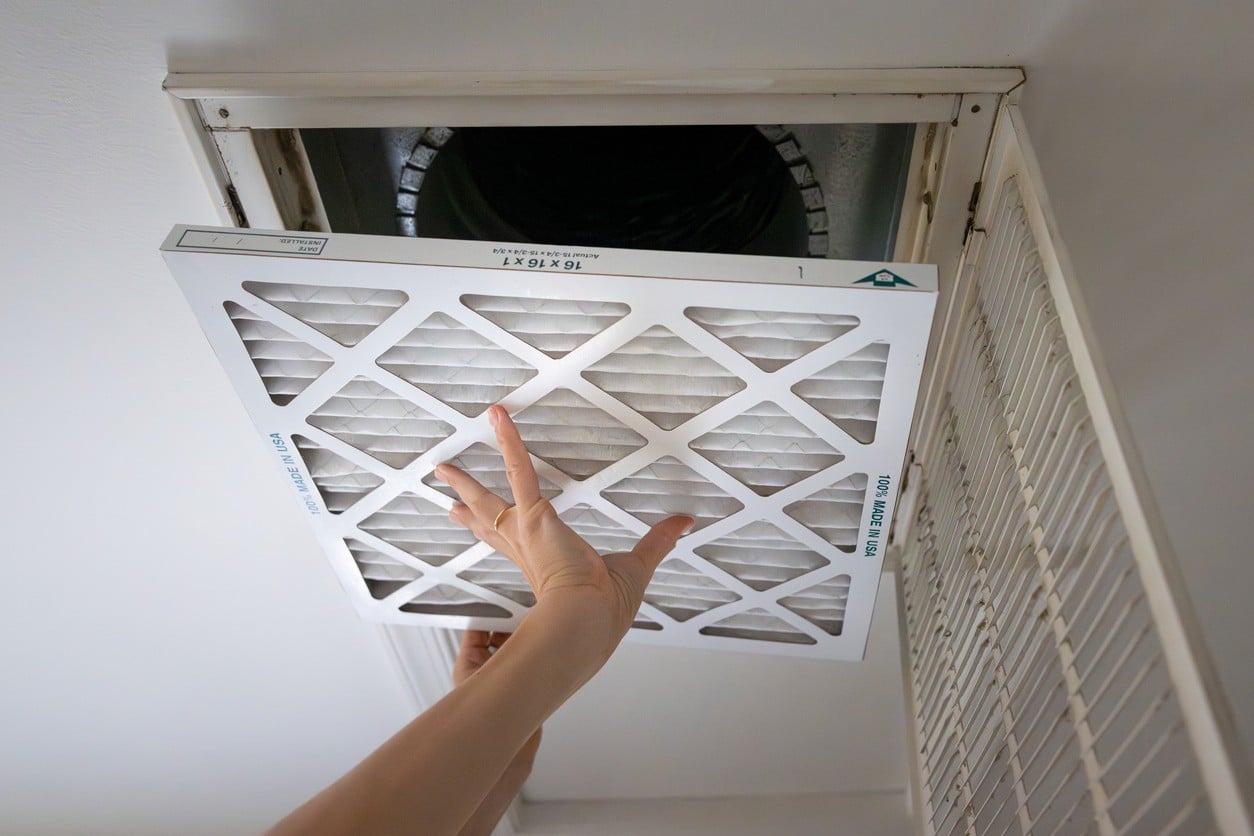
Small AC problems tend to get worse over time. They do not disappear on their own. A clogged filter restricts airflow through your system, which forces the blower motor to work harder. A motor working harder than normal wears out much faster. One ignored filter can eventually lead to a motor replacement.

This chain reaction is very common in HVAC repair situations. One small issue creates stress on nearby parts. Those parts then start to fail under that extra load. Before long, what started as one problem becomes three or four.

Real Examples of Small Issues That Escalate

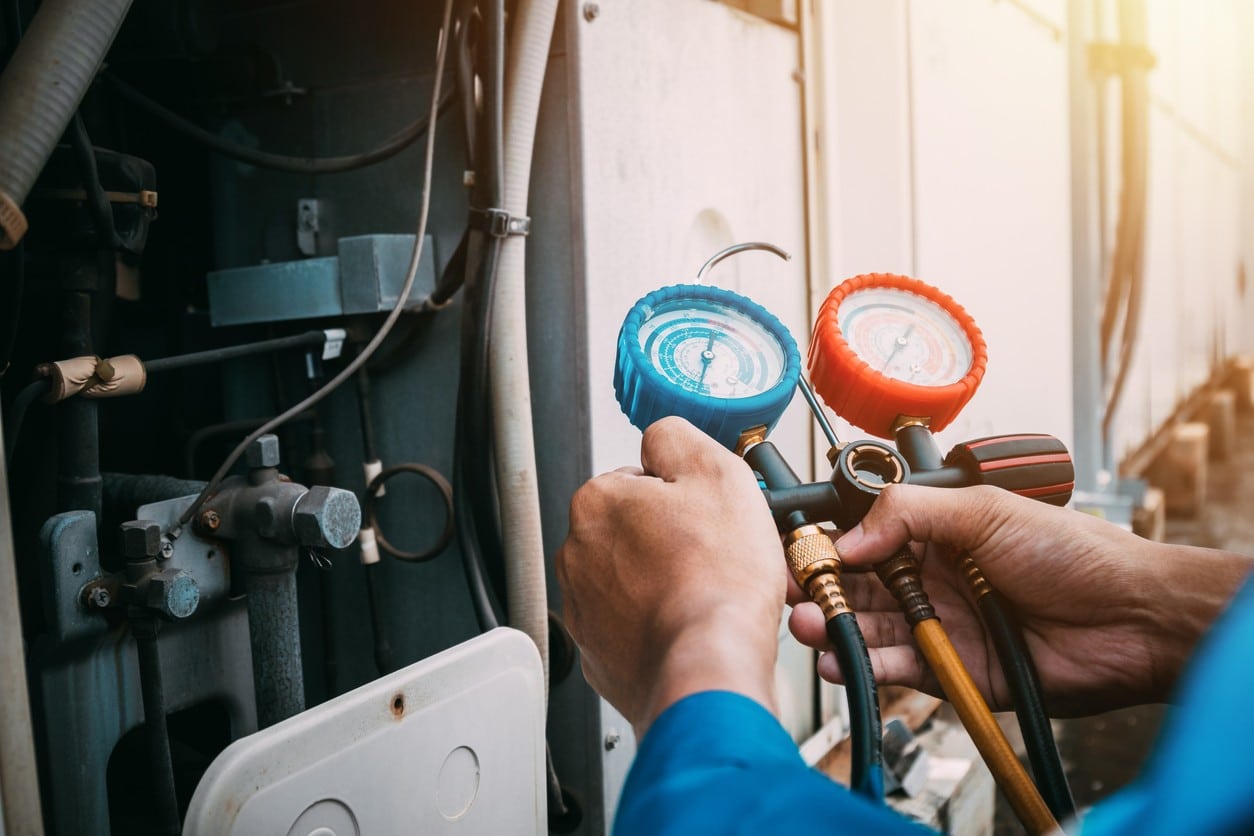
A refrigerant leak is a good example. When the refrigerant runs low, your system cannot cool your home properly. It keeps running longer and longer to try to reach the right temperature. All that extra run time puts heavy strain on the compressor. The compressor is one of the most expensive parts in your entire system. Early detection of a refrigerant leak requires a simple repair. Waiting until the compressor fails turns it into a much bigger job.

A frozen evaporator coil is another example. This sometimes results from low refrigerant or inadequate airflow. Ice builds up on the coil. The system keeps running but cannot cool effectively. Over time, the ice causes water damage and puts stress on other components. Catching it early keeps it simple, no water damage, no component stress, no expensive follow-up repairs.

A worn capacitor is a third example worth knowing. Capacitors help your AC start up and keep running. When a capacitor fails, the motor has to work harder to turn on every time. That extra stress soon reduces the motor’s lifespan. Replacing a capacitor early is one of the simplest and most affordable repairs an HVAC technician can make.

Act on Warning Signs Right Away

Strange sounds, weak airflow, and warm air are all early warning signs. Do not wait for the system to stop working before you call. The earlier you schedule air conditioning repair, the simpler and less stressful the fix will be.

According to HomeAdvisor’s national repair cost data, delaying basic repairs consistently leads to more complex and more expensive jobs down the road.

Higher Energy Costs and Reduced System Efficiency

A Struggling AC Works Harder Than It Should

When your AC has a problem, it cannot do its job efficiently. It has to work harder just to reach the temperature you set. That means it runs longer cycles every time it turns on.

The U.S. Department of Energy reports that heating and cooling account for nearly half of a home’s total energy use. When your system is running inefficiently, that number goes up fast.

Your Energy Bills Show the Difference

A system with a dirty coil or low refrigerant uses more electricity than a healthy one. It has to run longer to do the same job. That extra run time shows up on your monthly bill. Portland homeowners on Pacific Power or Portland General Electric will notice the difference during the summer months.

Many homeowners delay AC repair to avoid the upfront cost. What they don’t realize is that a struggling system is already raising their energy bill every single month. The repair they’re putting off is quietly paying for itself in the wrong direction.

Efficiency Loss Adds Up Over Time

A system that is not running at full efficiency costs more to operate every single day. That daily price rises throughout the summer. A system running below full efficiency costs more to operate every single day. Multiply that across a full Portland summer, and the numbers add up quickly, often far more than the repair would have cost.

Increased Risk of Emergency HVAC Repair Situations
Unresolved Problems Lead to Sudden Breakdowns

A system that is already struggling does not last long under pressure. When summer temperatures rise, your AC runs at full load for hours at a time. That extra demand pushes a weakened system past its limit.

NOAA climate data shows that the Pacific Northwest has seen more extreme heat days over the past decade. Portland summers are getting hotter and longer. Your AC needs to be in good shape before that heat arrives.

Losing Cooling During a Heat Wave Is Serious

When an AC breaks down during a heat event, getting it fixed quickly is very difficult. Technicians are busy. Parts may need to be ordered. You could be without cooling for days. For older adults, young children, or anyone with a health condition, that is not just uncomfortable. It can be dangerous.

Families with pets also face a serious risk during extended heat. Homes without cooling can reach unsafe temperatures within just a few hours on a hot Portland afternoon. It’s a situation that’s entirely avoidable with one simple call before the season starts.

Emergency Service Costs More

HVAC emergency repair calls come with higher costs. After-hours rates are higher than standard service visits. Parts may need to be rushed. Demand during heat waves drives prices up even further. Most of these emergencies trace back to a warning sign that was ignored weeks or months earlier.

Scheduling AC repair Portland service before summer starts is one of the simplest ways to avoid all of this.

If you want to skip the stress of a summer breakdown, schedule your inspection before the heat season begins.

Shortened System Lifespan and Premature Replacement

Every AC Has a Life Expectancy

A well-maintained AC system can last 15 to 20 years. A neglected one often fails in 10 to 12. That difference comes down to how the system was treated over time. Timely repairs and routine HVAC services help the system run as intended.

Ongoing Strain Wears the System Down

When small problems go unaddressed, the system works under constant extra stress. Dirty coils, low refrigerant, and struggling motors all shorten the life of your equipment. Every month a problem goes unfixed, it takes a little more off the system’s lifespan.

This kind of wear isn’t obvious day to day, but it adds up over the years. By the time a neglected system finally breaks down, the damage is often too extensive to repair affordably.

Timely HVAC Repair Protects Your Investment

Your AC system is one of the most important parts of your home. Treating it that way means acting on problems when they are still small. A single HVAC repair visit each season is far less disruptive than an unexpected full system failure.

Annual maintenance also help technicians catch developing issues before they cause real damage. Keeping up with HVAC servicing year-round offers one of the most useful advantages of early discovery.

Call today to book an appointment for a checkup or learn more about our maintenance program at Bull Mountain Heating & Cooling.

Frequently Asked Questions

How long can I wait before repairing my AC?

There is no safe window for waiting. Most AC problems get worse the longer they are ignored. Set a service appointment as soon as possible if your system is experiencing any problems.

Do AC problems get worse over time?

Yes. Unfixed, almost all mechanical problems with an AC system worsen. Small problems create stress on nearby parts. That stress leads to more failures over time.

What causes HVAC emergency repair situations?

Most HVAC emergency repairs stem from issues that initially showed clear warning signals. Skipped maintenance and delayed repairs are the two most common causes. Systems that get regular HVAC service are far less likely to break down suddenly.

Is it cheaper to repair early?

Yes. Early repairs fix one isolated issue. Late repairs often fix that issue, plus everything it damaged along the way. Acting early is almost always the more affordable choice.

When should I call for AC repair?

Call as soon as you notice anything unusual. Warm air, weak airflow, odd sounds, strange smells, or rising energy bills are all signs that something is wrong. You do not need to wait for a complete breakdown.

Book your AC repair Portland service today and get ahead of the problem before it gets bigger.
Posted on

What Regular HVAC Maintenance Can Help You Avoid

Here’s something most homeowners don’t realize: the majority of HVAC breakdowns are entirely preventable. Whether its a system that dies on the hottest night of the year, or a unit that gives out after years of being pushed too hard, these situations rarely come out of nowhere. Almost always, they trace back to smaller issues that regular HVAC maintenance would have caught.

Routine maintenance is not just about replacing damaged parts but also about ensuring your HVAC system continues to run smoothly and efficiently long before anything breaks down in the heat of summer or dead of winter.

In this article, we’ll walk you through exactly what regular AC maintenance helps you avoid. If you’ve been putting off that service call, this might be what changes your mind.

1. Avoiding Unexpected Breakdowns and Emergency Repairs

Few​‍​‌‍​‍‌​‍​‌‍​‍‌ things disrupt your home like an HVAC system breakdown happening out of the blue. One day, the system is running smoothly; the next, you have to cope with an overheated house, a desperate attempt to find a technician in the area, and a repair bill almost double because of the urgency of the situation.

During a routine HVAC service visit, a trained technician inspects every major component of your system and looks for signs of wear that could become a real problem. These are the kinds of issues that don’t announce themselves until they fail completely.

A failing capacitor, for example, can be identified and swapped out during a routine visit, long before it takes the whole system down with it. A loose electrical connection caught early prevents both a system shutdown and a potential fire hazard. These are exactly the kinds of quiet problems that routine maintenance exists to find.

Regular maintenance also gives you peace of mind heading into peak season. Knowing your system has been inspected by professional hvac service before summer’s heat arrives means you can run your AC with confidence.

2. Preventing Higher Energy Bills and System Inefficiency

An HVAC system doesn’t become inefficient overnight. It happens gradually, a dirty coil here, a clogged filter there, until the system is working significantly harder than it needs to just to do the same job.

According to the U.S. Department of Energy, a neglected air conditioner can lose anywhere from 5 to 25% of its original efficiency over time. That’s a significant hit to your monthly operating costs, one that compounds with every season you skip a tune-up.

Keeping the system running smoothly through regular HVAC maintenance will include cleaning the evaporator and condenser coils, checking and adjusting refrigerant levels if necessary, changing or cleaning air filters, clearing out condensate drain lines, and making sure that air can flow freely throughout the system.

With consistent upkeep, your system can perform close to factory efficiency and deliver steady heating or cooling without working harder than it has to.

3. Extending the Life of Your HVAC System

A well-maintained HVAC system can last 15 to 20 years. That’s a long window to get value out of your investment. But only if the system is taken care of along the way.

Think of it like a car. When a car is regularly changed, its oil and tires, as well as other scheduled services, it is able to last a long time as opposed to a car that is used hard and left without receiving any kind of attention.

The same goes for an HVAC system. In fact, HVAC components will be less subject to parts wear if they have been lubricated, cleaned, and checked regularly. On the other hand, if these components are neglected, wear will accelerate, and the system will age even faster.

Regular HVAC maintenance is one of the most effective ways to meet, and sometimes exceed, a manufacturer’s expected lifespan for the equipment. More importantly, it means you’re protecting that investment on your own terms, rather than watching it decline from preventable neglect.

4. Keeping Repair Costs Low Over Time

Although​‍​‌‍​‍‌​‍​‌‍​‍‌ maintenance may not stop every repair, it usually reduces the severity and cost of those repairs. There’s a huge difference between replacing a worn capacitor found during a routine inspection and replacing a compressor that completely broke down because no one noticed the warning signs. Regularly maintaining your HVAC system will likely keep you from that situation.

Over time, a technician who services your system regularly gets to know it well. They remember what’s been repaired, what’s been flagged, and what needs a closer look next visit. That continuity makes early detection far more reliable, and early detection almost always means lower repair costs.

This is one of the reasons why Portland residents should really consider investing in AC repair Portland through regular maintenance in order to avoid being surprised during those very hot weeks of summer when their air conditioning systems have to work the hardest.

5. Improving Comfort, Airflow, and Indoor Air Quality

Regular AC maintenance does more than protect your wallet. When your system is kept in good working order, it actually does its job better, cooling your home consistently and circulating cleaner air throughout.

Here’s how maintenance makes a tangible difference in each area:

  • Consistent cooling: Your air conditioning system cools effectively when coils are clean, the right amount of refrigerant is present in the system, and the system is properly running. Achieving the desired temperature with minimal effort is possible.
  • Better airflow: Dirty filters, contaminated blower parts, or blocked ducts reduce the amount and speed of air moving throughout your home. Maintenance work removes those restrictions so the conditioned air reaches each room in the house as intended — no more weak venting or areas that just never get adequately cooled.
  • Healthier indoor air quality: The HVAC system will also be your home’s main air filtration system. When filters are dirty, drain lines are clogged, or parts have gone moldy or mildewed, that pollutant spreads throughout your living areas each time you turn the system on. Having the system cleaned regularly and changing filters will keep the air going through your house as pure as possible.

The difference between a home that feels genuinely comfortable and one that always seems a little off often comes down to how well the system is maintained. You notice it in the air quality, the consistent temperature, and the quiet confidence that your system will keep up when you need it most.

Scheduling routine HVAC service means investing not just in your equipment, but in the quality of your everyday living environment.

Schedule Your HVAC Maintenance in Portland Today

Don’t let a malfunction be the only reason that you remember your HVAC system needs servicing. Bull Mountain Heating & Cooling offers comprehensive and expert HVAC maintenance Portland services that locals count on to keep their systems operating efficiently year after year. If you have not had a tune-up in a while or are planning ahead for summer, we are ready to assist you. Contact us now and give your system the care it deserves.

Frequently Asked Questions

How often should HVAC maintenance be scheduled?

The best time for an annual maintenance visit would be in the spring, before you start using your air conditioner. For units that are used for both heating and cooling times of year, twice-a-year maintenance (spring and fall) works best. Regular maintenance visits lead to better performance and will allow the technicians to spot potential problems even before they get serious.

What does AC maintenance include?

A thorough AC maintenance visit includes cleaning the coils, checking refrigerant levels, inspecting electrical connections, lubricating components, clearing the condensate drain, replacing or inspecting the air filter, testing the thermostat, and evaluating system performance to ensure efficient operation.

Can maintenance prevent AC problems or repair?

While no maintenance plan can prevent all repairs, it greatly reduces the frequency and severity of issues by catching problems early and keeping system components in good condition. Homeowners who prioritize regular maintenance tend to face fewer surprise breakdowns and lower overall repair costs compared to those who don’t.

Is HVAC maintenance worth it?

Regular HVAC maintenance is indeed a wise choice for homeowners. It results in direct savings by increasing energy efficiency, helps to avoid costly emergency repairs, and also serves to lengthen the life of the equipment. In other words, it is a service that should pay for itself many times over.

When should I schedule HVAC service?

Schedule HVAC service before it becomes a necessity. Springtime is the perfect season to have the air conditioner tuned up, so that it is ready for summer when you’ll be using it heavily. By scheduling early, you will not only avoid waiting in a long line but will also have more options for a time that fits your ​‍​‌‍​‍‌​‍​‌‍​‍‌schedule.


Posted on

5 Signs Your Air Conditioner Is Working Harder Than It Should

Is your AC working harder than it should? A cooling system goes through a lot during the warmer months. Your air conditioner may be humming away for hours, yet you walk from room to room, and something still feels off, warm, and uncomfortable. Sound familiar? You’re definitely not alone.

The truth is, most air conditioning repair issues don’t show up with a sudden breakdown. They start quietly, with a slightly higher energy bill or a new sound you chalk up to “just the AC”. Over time, those little signs pile up into something much more disruptive and expensive.

This guide walks you through the early warning signs that your AC is struggling, so you can catch problems before they turn into major HVAC repair jobs. The sooner you spot them, the more options you have before things get expensive.

1. Rising Energy Bills Without a Clear Reason

One of the first signs your air conditioning needs attention is a rise in utility costs, even when nothing in your routine has changed. Same family, same schedule, same thermostat settings, but your bills keep climbing.

When the parts of your air conditioning unit begin to break down, whether it’s the compressor, the fan motors, or low levels of refrigerant, your air conditioner has to work harder and longer to cool down to the desired temperature.

Dirty air filters or blocked ducts make things worse now that the system is pushing air through extra resistance, running even longer, and wearing itself out faster.

If your energy costs have crept up noticeably over a billing cycle or two without a clear explanation, don’t ignore it. That bill is often your first clue that something under the hood is starting to go wrong.

2. Uneven Cooling or Weak Airflow Throughout the Home


Take a look around your home during a hot summer day. Is one room nice and cool, while another feels like an oven? If yes, you have an air conditioning system that cannot properly distribute the air it generates.

Uneven cooling typically points to one or more of these issues:

  • Hot and cold spots (i.e., specific rooms never reach the desired temperature, regardless of how long the unit runs)
  • Weak airflow (the unit is running, but there is not much air actually coming out of the vents)
  • Leaking or blocked ducts (conditioned air is escaping before reaching certain rooms)

All of these issues force your system to work harder than necessary, which can accelerate wear and bring you closer to a repair call.

If rooms in your home consistently fail to reach the temperature on your thermostat, or if you’ve noticed a gradual weakening of airflow over the past season, these are early indicators that HVAC service may be needed.

3. Your AC Runs Constantly or Cycles Too Frequently

Your air conditioner is built to work in cycles. It runs until your home reaches the target temperature, shuts off, then kicks back on when needed. When that rhythm breaks down, it’s a reliable sign that something isn’t right.


There are two patterns to watch for:

The system runs non-stop. If your unit is on 24/7 it probably means it is struggling to reach the temperature you have set. This could be due to a refrigerant leak, a dirty evaporator coil, or a compressor that is on its last legs. The air conditioning system is indeed running, but it’s not cooling the space. This will raise your energy bills and cause your HVAC parts to wear out more quickly.

The system short-cycles. By contrast, if your unit is going on and off every few minutes before it even has a chance to cool the whole room, that’s short-cycling. This could happen if the unit size is too big, there’s a refrigerant problem, or an overheating component is triggering a safety shutoff. Consider that every time your compressor starts up, it is under stress, so a series of short cycles is extremely detrimental to your equipment.


The U.S. Department of Energy’s guide on central air conditioning offers useful information on how cycling behavior affects efficiency and system longevity.

4. Strange Noises, Aging Systems, and Declining Performance

An air conditioner working correctly should be producing little more than a gentle humming sound. Unfortunately, the moment you hear something different, it is because your AC unit is trying to tell you a problem.

Here’s what different sounds often mean:

  • Rattling: Indicates a component has come loose, a panel has been dislodged, or there is debris inside the unit
  • Buzzing: Electrical problems, a failing contactor, or a refrigerant leak
  • Banging or clanking: A broken or loose part inside the compressor — this one shouldn’t wait

A small rattle can be fixed easily, but if it is neglected for a while, it can result in a damaged motor or compressor failure. Fixing these major issues is far more costly than simply repairing the unit when the problem is still minor.

In addition to the noises, notice changes in your system’s general performance. If it used to take only 20 minutes to cool your home but now it takes 60 minutes or more, or if the air coming out of your vents is not as cold as you would like, your system is losing its cooling capacity, and that’s not a good sign.

So overall, don’t ignore a breakdown. Getting to your professional inspection before your system starts making unfamiliar sounds, underperforming, or is quite old will give you the chance to be proactive rather than ​‍​‌‍​‍‌​‍​‌‍​‍‌reactive.

5. Warm Air or Weak Airflow

Your AC is on, but the airflow feels weak, or worse, it’s blowing warm air. This is more than just a comfort issue. It’s a signal that your system is struggling.

A few things might be at play:

  • Dirty coils or filters are choking the system
  • Blower motor issues
  • Refrigerant leaks
  • Frozen coils from restricted airflow

If your equipment is getting old and you’re experiencing several performance issues, contacting a professional can be very helpful. It can figure out the right time for targeted HVAC repair and whether or not replacing the unit should be considered before it becomes an emergency.

Ready to Get Your AC Running Right?

If your system has been showing any of these warning signs, our team at Bull Mountain Heating & Cooling is ready to help with flexible trusted hvac services for over 20 years.


Serving the Portland area with honest, reliable air conditioning repair portland homeowners can count on, don’t wait until you’re facing an emergency on the hottest day of the year. Reach out today and get your home back to comfort.

Frequently Asked Questions

Is it normal for my AC to run all day?

Yes, longer running times on scorching days are expected. But if your unit runs nonstop and still can’t heat the room or reach your desired temperature, there’s a performance fault that won’t resolve itself. A solution to the problem where a machine runs non-stop is a waste of energy and leads to accelerated wear of the machine.

Why is my AC not cooling evenly?

There are several reasons that can cause uneven cooling, such as duct leaks or blockages, a system that has lost capacity, the unit’s condition or size, etc. An HVAC specialist is not only the cause but also the solution to the problem directly. Thus, the technician may take you through changes to the system, duct sealing, or even the need for more than simple fixes.

How do I know if I need AC repair?

Rising energy costs, inconsistent cooling, strange noises, or a system that keeps running nonstop or doing short cycles are all signs that the AC needs repair. Either way, an expert evaluation is the quickest way to determine if you actually need an AC repair portland or not.

Do higher energy bills mean my AC is failing?

It doesn’t mean that your air conditioner is failing completely. Still, higher energy bills without any change in the way of energy utilization are nearly always a sign of lower efficiency or the beginning of mechanical failure. If you get it checked early on, then you can stop the problem from becoming a very expensive one.

When should I call for HVAC service?

If any of the signs mentioned in this article have popped up, including strange noises, temperature inconsistencies, an unexplained increase in energy use, or abnormal cycling behavior, it is time to book HVAC service. Usually, if you get a problem fixed at an early stage, the cost will be lower than that of a breakdown