 August 28, 2026
 Fall in Portland can be unpredictable. One week your home barely needs heat, and the next, cold mornings, damp weather, and shorter days make your furnace or heat pump work much harder.
That is why fall is one of the best times to check your HVAC system. A little preparation now can help you avoid uncomfortable surprises when colder weather arrives. It can also help your system run more efficiently, reduce unnecessary strain, and give you time to schedule service before heating season is in full swing.
Here are 10 things Portland homeowners should check before cold weather hits.
1. Check or Replace Your Air Filter
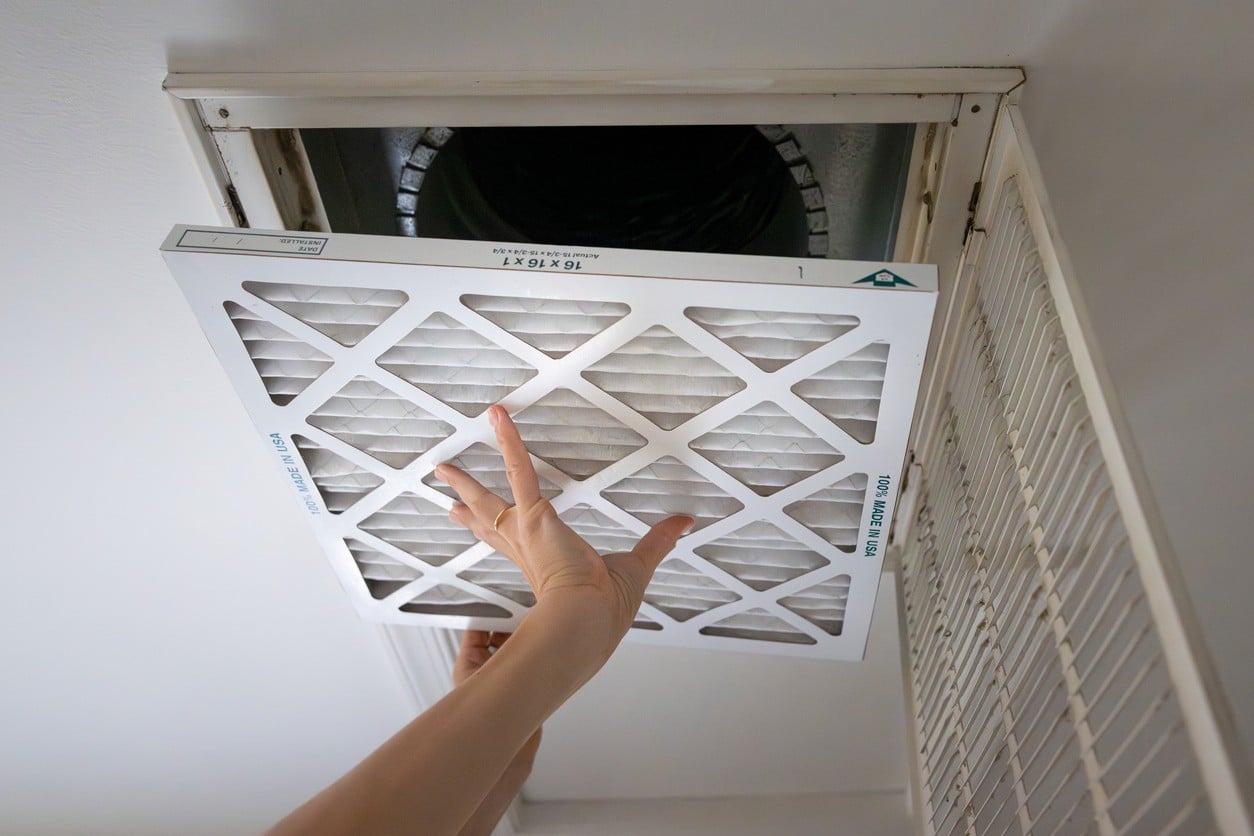
Your air filter is one of the easiest places to start. A dirty or clogged filter makes it harder for air to move through your heating system. When airflow is restricted, your furnace or heat pump may have to run longer to warm your home.
Before colder weather settles in, remove your current filter and check its condition. If it looks dusty, gray, or clogged, replace it with a clean one. Most homeowners should check their filters every one to three months, but homes with pets, allergies, dust, or heavy HVAC use may need more frequent filter changes.
This is a simple task, but it can make a noticeable difference in airflow, comfort, and system performance.
2. Test Your Thermostat Before You Need Heat
Do not wait until the first cold morning to find out your thermostat is not working correctly.
Switch your thermostat to heat mode and set the temperature a few degrees above the current room temperature. Your heating system should turn on within a few minutes. Let it run long enough to make sure warm air is coming from the vents and the system completes a normal cycle.
This is also a good time to review your thermostat schedule. If you use a smart thermostat, make sure the settings still match your family’s routine. Fall schedules often change with school, work, holidays, and shorter days, so your heating schedule may need a quick update.
If your thermostat does not trigger the heat, seems inaccurate, or causes the system to run oddly, it may be time to schedule a professional inspection.
3. Turn on the Furnace Early
One of the best fall HVAC checks is simply turning your furnace on before you truly need it.
Choose a mild fall day and let the heating system run for a short period. Pay attention to how it starts, how it sounds, and whether warm air reaches the rooms in your home. A slight dusty smell during the first cycle of the season can happen, especially if the system has been off for months. That smell should fade quickly.
What you do not want to ignore is a strong burning odor, electrical smell, gas smell, loud banging, grinding, or a system that starts and stops repeatedly. Those signs can point to an issue that should be checked before the system is under daily winter demand.
If your furnace does not seem ready for the season, Bull Mountain provides furnace repair and maintenance in Portland for homeowners who want reliable heat before cold weather arrives.
4. Make Sure Vents and Returns Are Clear
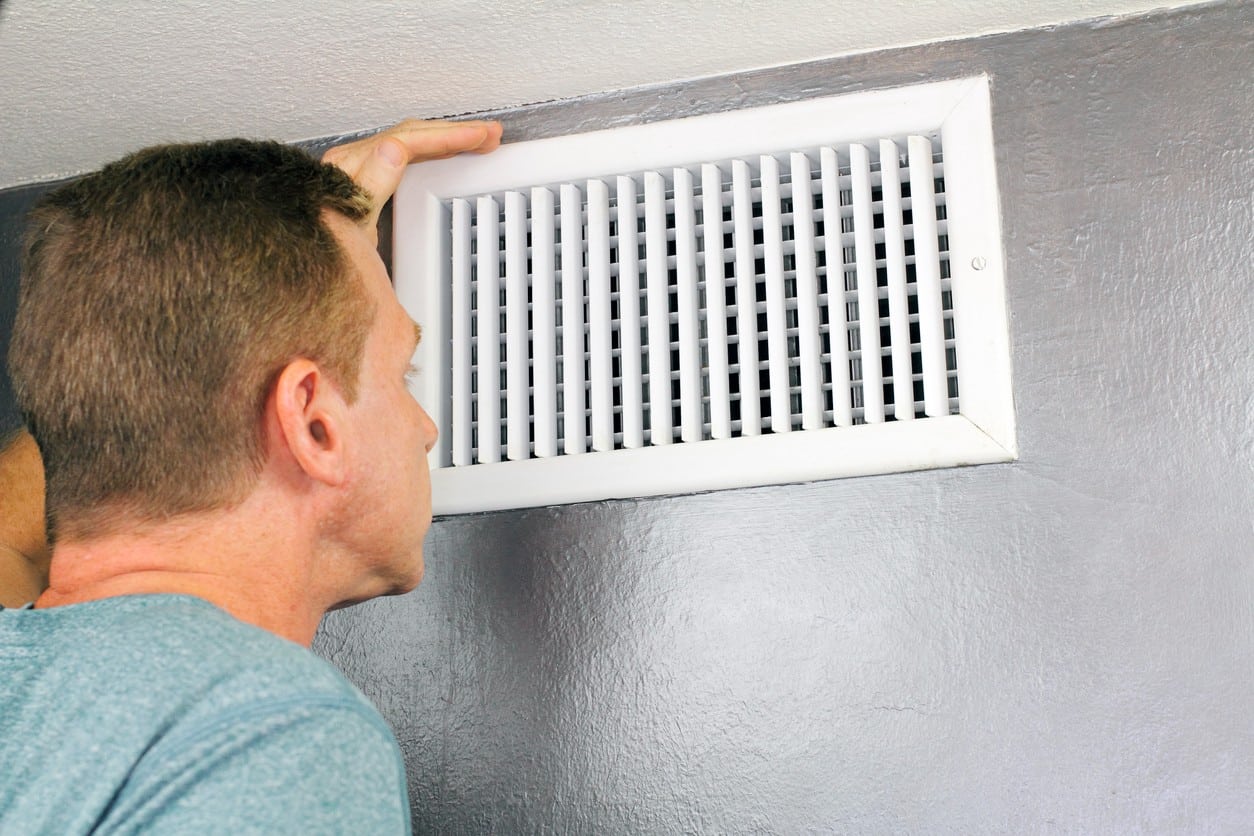
Your HVAC system needs steady airflow to heat your home properly. When vents or return grilles are blocked, rooms can feel colder, the system can run longer, and comfort problems can become more noticeable.
Walk through your home and look at each supply vent and return grille. Make sure furniture, rugs, curtains, pet beds, and storage bins are not blocking airflow. Even one blocked return can affect how well your system moves air through the home.
This is especially important if you had rooms last winter that never felt warm enough. Sometimes the issue is not the furnace itself. It may be poor airflow, a dirty filter, closed vents, or blocked returns.
If you clear the vents and replace the filter but still notice weak airflow or uneven heating, it is worth having the system checked.
5. Clean Around Indoor HVAC Equipment
Fall is a good time to clean up the space around your furnace, air handler, or indoor HVAC equipment.
Many homeowners store items in garages, closets, utility rooms, and basements. Over time, boxes, tools, paint cans, cleaning supplies, and seasonal items can end up too close to HVAC equipment.
Keep the area around your system open and easy to access. This helps technicians service the system safely and makes it easier to spot visible concerns like rust, water, corrosion, or loose panels.
Avoid storing flammable items near the furnace, including cardboard, paper, paint, gasoline, solvents, or cleaning chemicals. You do not need to open the unit or inspect internal components yourself. Just make sure the surrounding space is clear, clean, and safe.
6. Check Carbon Monoxide Detectors
If your home has a gas furnace, carbon monoxide safety should be part of your fall checklist.
Carbon monoxide cannot be seen or smelled, which makes working detectors very important during heating season. Test your carbon monoxide detectors, replace batteries if needed, and confirm that detectors are installed in the right areas of your home based on the manufacturer’s instructions.
Call for help right away if you notice warning signs like:
- A carbon monoxide alarm going off
- A gas smell
- Soot or unusual discoloration near equipment
- Headaches, dizziness, or nausea that seem worse indoors
If you smell gas, leave the home and contact your gas utility or emergency services. Do not try to repair gas lines, burners, electrical components, or furnace safety controls yourself.
7. Listen for New or Unusual Sounds
Most heating systems make some noise when they start, run, or shut down. The key is whether the sound is new, loud, or unusual.
Rattling, banging, grinding, squealing, humming, clicking, or whistling can all point to different HVAC issues. Some may be minor. Others may signal blower motor problems, ignition issues, loose parts, airflow restrictions, or electrical concerns.
If your system sounds different than it did last year, do not ignore it. A furnace may still heat the home while a part is beginning to fail. Catching the issue early can help prevent a more inconvenient breakdown later in the season.
8. Think Back to Last Winter’s Comfort Problems
Before another heating season begins, think about how your home felt last winter.
Were some rooms colder than others? Did the furnace seem to run constantly? Did your energy bills feel higher than expected? Did you rely on space heaters in certain areas? Did the upstairs and downstairs feel completely different?
Those details are easy to forget once spring arrives, but they can be helpful when preparing your HVAC system for fall. Uneven temperatures, long run times, weak airflow, and high utility bills can all point to issues worth checking before the colder months return.
In some cases, maintenance or repair may help. In others, the issue may relate to aging equipment, ductwork, insulation, thermostat placement, or system sizing. If your current system struggled last winter, it may also be worth discussing whether repair or HVAC installation makes more sense long term.
9. Check Outdoor Equipment Before Leaves Pile Up
If you have a heat pump or outdoor HVAC equipment, fall cleanup matters.
Leaves, branches, weeds, and debris can collect around the outdoor unit. When that happens, the system may have a harder time moving air. Before Portland’s wet fall weather settles in, clear the area around the unit and trim back plants that are too close.
You do not need to take the unit apart or clean internal components yourself. The goal is simply to keep the area open and accessible.
This is especially important for heat pumps because they work during both cooling and heating seasons. If you notice ice buildup, loud operation, short cycling, or a heat pump that struggles to warm your home, schedule service before colder weather makes the issue worse.
10. Schedule Professional HVAC Maintenance
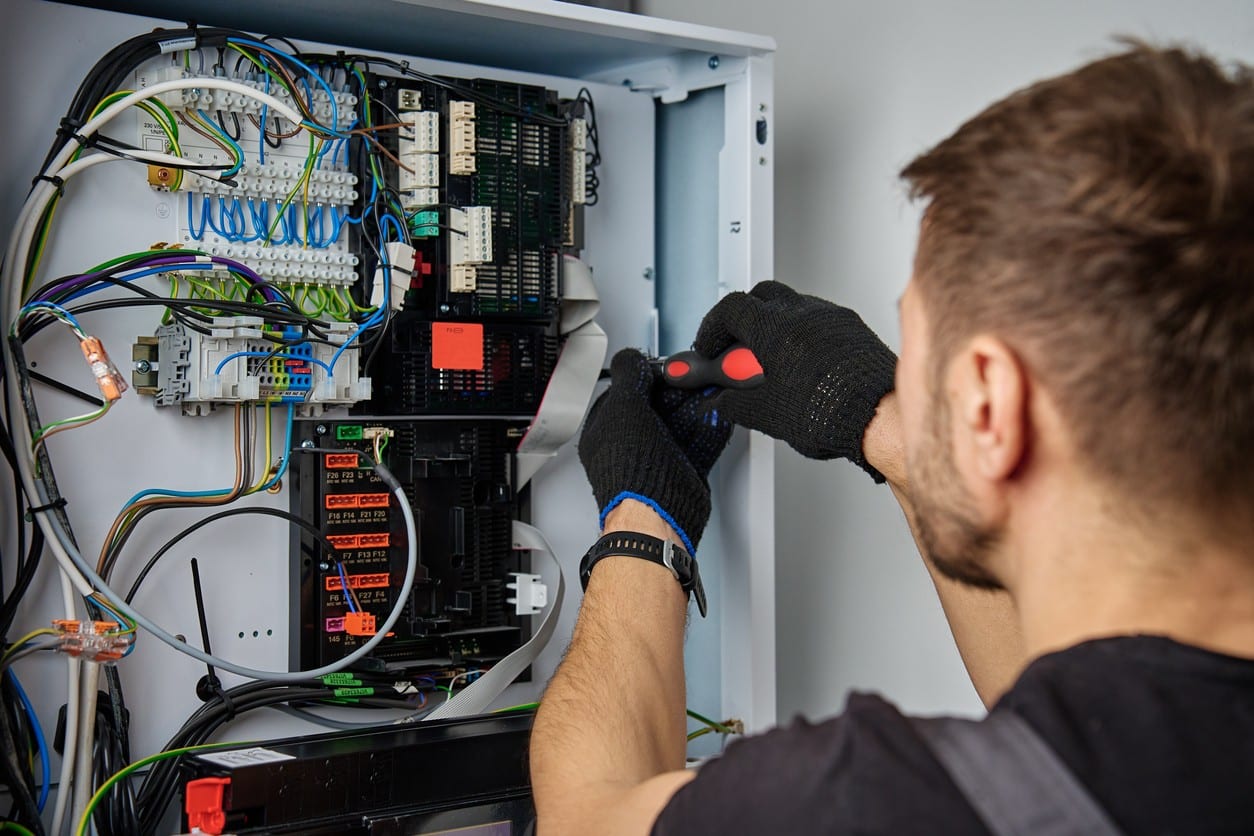
There are plenty of fall HVAC checks homeowners can do safely, but some parts of the system should be inspected by a trained technician.
A professional maintenance visit can help confirm that your heating system is operating properly before it has to run every day. A technician can inspect system performance, check electrical components, review airflow, test safety controls, and look for wear that may not be obvious from the outside.
This is especially helpful if your system is older, has not been serviced recently, made strange noises last winter, or seemed to struggle during colder weather.
Bull Mountain’s Service Club maintenance program is designed to help Portland homeowners keep their heating and cooling systems maintained throughout the year.
When to Call for Heating Repair
A fall checklist can help you spot problems early, but some issues should not wait for routine maintenance.
Call for heating repair if your system has no heat, blows cold air, makes loud or unusual noises, gives off burning or electrical smells, trips breakers, cycles on and off repeatedly, or will not respond to the thermostat.
You should also act quickly if your carbon monoxide detector goes off or you smell gas. Safety concerns should always be handled immediately.
For urgent heating and cooling issues, Bull Mountain provides emergency HVAC repair in Portland when homeowners need help quickly.
Get Your Portland Home Ready for Cold Weather
Fall is the right time to make sure your HVAC system is ready for Portland’s colder, wetter months. A few simple checks can help improve comfort, catch warning signs early, and reduce the chance of an unexpected heating problem when you need your system most.
Start with the basics: check the filter, test the thermostat, turn on the furnace, clear vents, review safety devices, and pay attention to unusual sounds or smells. Then schedule professional maintenance so your system can be inspected before heating season is fully underway.
Need help getting your home ready for fall? Contact Bull Mountain Heating & Cooling to schedule furnace maintenance, heating repair, or seasonal HVAC service for your Portland home.